
Counting the waves…
Counting the waves…
A refined fusion of water purity, environmental stability, and communal vibrancy for Te Araroa Beach.
View MethodologyAnalyzed via live sensors and environmental data.
Wave height, wind, and atmospheric stability.
Live footfall and crowd balance metrics.
Community reviews and curated sentiment.
“You'll park under the pohutukawa that Te Araroa is famous for—three hundred years old, branches sprawling like a wooden cathedral. The beach unrolls north, empty and elemental, a prelude to the remote coast ahead.”
Limited recent visitor reports — live OBI telemetry is your best guide for current conditions.
Te Araroa village sits at the threshold of New Zealand's wildest coast, and the beach reflects that liminality. South lies civilization—Gisborne, highways, cell towers. North lies the Cape: unsealed roads, river crossings, and stretches where you won't see another car for an hour. The sand is broad and flat, fine enough to squeak underfoot, and it runs for kilometers before vanishing into headlands draped in pohutukawa and flax.
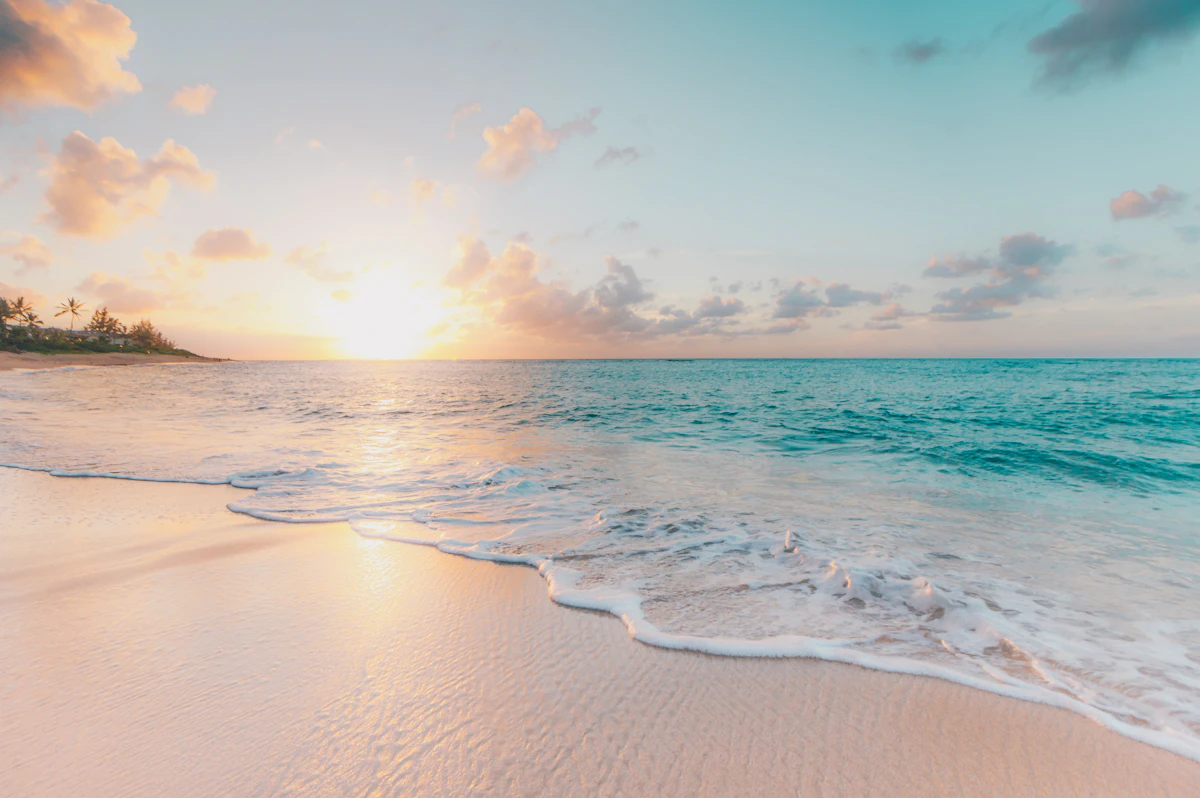
The surf is gentle by East Coast standards, shaped more by wind than reef, and families treat the beach as a seasonal living room. Tents sprout during school holidays; horses leave hoofprints in the firm sand near the tideline; kids bodysurf the shorebreak while their parents monitor from beach chairs. Sunsets here are slow and chromatic, the sky cycling through golds and pinks before settling into a violet dusk that makes the ranges inland look like sleeping giants.
Aerial view of turquoise tropical bay
Wide white-sand beach with footprints
Three-century sentinel, massive canopy
Wide sky, ranges silhouette
Family-friendly, long sandy bottom
Prime Visitation
Best Weather|Less Crowds
Where it is
Te Araroa Beach
Te Araroa, Gisborne / Tairāwhiti, New Zealand
-37.633800°, 178.373200°
Weather
Loading…
Swell
—
Temp
Warm · Restorative
UV Index
Moderate
Wind
—
Tidal State
Last known
Max Sunlight
—
Ideal Shade
—
Jan - Dec (Peak)
Mar - Nov (Off-season)
Best Weather|Less Crowds
Select a category to load nearby places.
Unlock restaurants, luxury stays and curated maritime experiences within 2km
Te Araroa Beach is a long, exposed East Coast beach where conditions can vary significantly with weather and swell. The beach is remote with no lifeguard patrols, so swimmers must be confident and assess conditions independently. Families can enjoy paddling and beach activities on calm days, but should exercise caution and supervise children closely. Strong currents and rips can develop, particularly during larger swells or at river mouths. The long stretch means you can often find calmer spots, but this is best suited to experienced ocean swimmers. Always err on the side of caution given the isolated location.
Summer (December-February) is the most popular time to visit Te Araroa Beach, offering warmer weather and generally calmer seas. However, the beach's remote location means it's quieter than mainstream destinations even in peak season. Spring and autumn provide pleasant conditions with fewer visitors, ideal for those seeking solitude and dramatic coastal scenery. The beach is renowned for sunset views over the long coastline. Visiting during shoulder seasons can offer better value for accommodation. Weather can be changeable on the East Cape, so pack layers and be prepared for varying conditions regardless of season.
Te Araroa Beach is accessed via State Highway 35 (East Cape Road), approximately 175 kilometres and 2.5-3 hours north of Gisborne through winding, scenic coastal roads. The small settlement of Te Araroa sits near the beach and is a key stop for travellers circling the East Cape. The journey requires time, fuel (fill up in Gisborne), and patience with narrow, remote roads, but rewards with spectacular coastal scenery. The road is sealed but twisting, with limited services en route. Mobile coverage can be patchy. Many visitors make this a multi-day trip, exploring the East Cape region.
Te Araroa is a small settlement with limited but adequate facilities for remote travellers. The village has a general store for basic supplies, a takeaway shop, and simple accommodation including a holiday park with camping and cabins, plus occasional backpacker lodges. Services are modest compared to larger towns, so don't expect extensive dining options or luxury hotels. Many visitors appreciate the authentic, uncommercialised character. Stock up on supplies in Gisborne if you have specific needs. The area caters to self-sufficient travellers exploring the East Cape rather than those seeking resort amenities. Book accommodation ahead during summer.
Te Araroa Beach serves as a gateway and key stop for travellers exploring the remote East Cape region, offering a long, beautiful stretch of coast with a genuine remote-coast atmosphere. The settlement is also known for being near one of the world's largest pōhutukawa trees and provides access to the East Cape Lighthouse track. The beach and area embody the unspoiled, rugged character that draws adventurous visitors to this corner of New Zealand. Famous for its long coastline and stunning sunset views, it offers an authentic taste of rural Māori community life and natural beauty far from tourist crowds.
Photos