
Counting the waves…
Counting the waves…
A refined fusion of water purity, environmental stability, and communal vibrancy for Sandfly Bay.
View MethodologyAnalyzed via live sensors and environmental data.
Wave height, wind, and atmospheric stability.
Live footfall and crowd balance metrics.
Community reviews and curated sentiment.
“You climb wooden stairs over the Otago Peninsula's largest dune system, then drop onto a beach where endangered sea lions bask in the surf zone and fur seals patrol rocky margins beneath vertical schist cliffs.”
Limited recent visitor reports — live OBI telemetry is your best guide for current conditions.
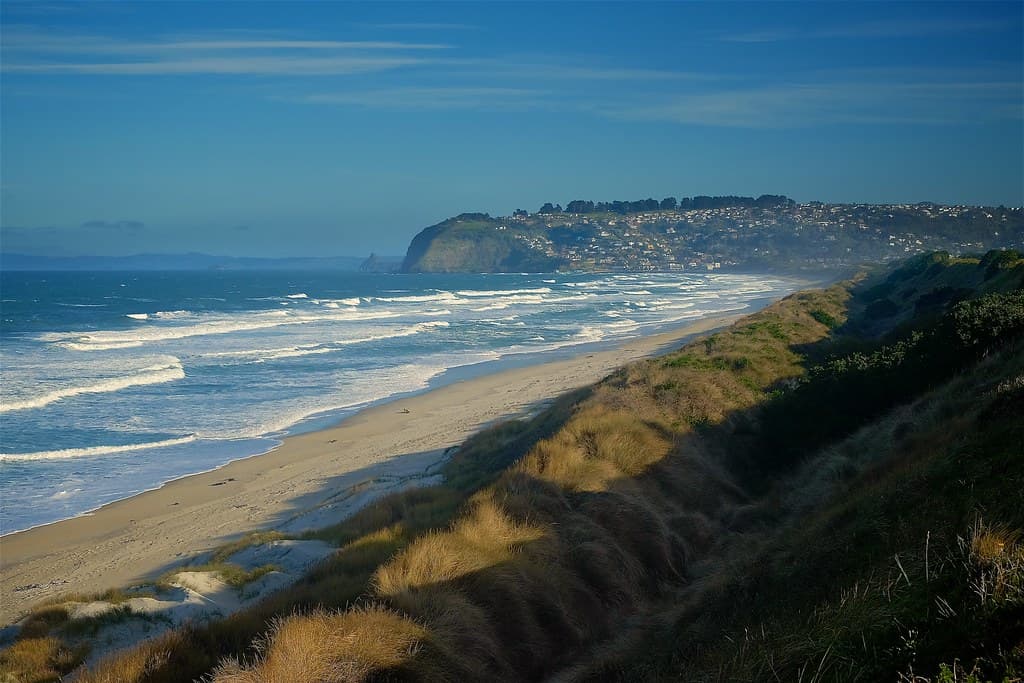
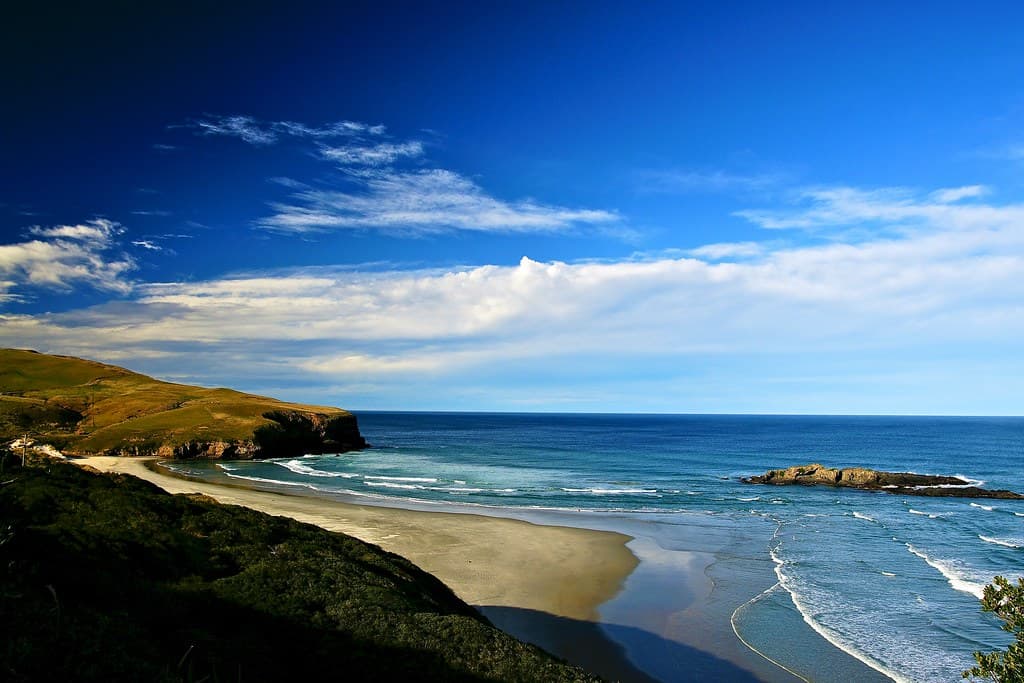
The access track climbs through coastal scrub before cresting the dune ridge—then the view opens: a sweeping kilometer of tawny sand pressed against dark cliffs, with the Pacific rolling in unbroken from the southeast. Wind sculpts the dune face into knife-edges and ripples, marram grass hissing as gusts reshape the slopes grain by grain. You descend the conservation stairway, each step revealing more beach, until you jump the last meter onto sand that squeaks underfoot.
A sea lion—maybe three hundred kilograms of muscle and blubber—lies in the shorebreak, letting waves wash over its scarred back. Department of Conservation signs warn you to keep ten meters clear; these endangered mammals bite when surprised. You give the bull wide berth, watching it yawn to reveal canines the size of your thumb. Further down the beach, yellow-eyed penguins might waddle ashore at dusk, and fur seals claim the boulder fields beneath the cliffs where schist rises in geometric columns.
Credit: FlickrSea Lion Watching
Credit: FlickrDune Ridge Walks
Observe endangered marine mammals safely
Climb massive sand systems
Watch hoiho return at dusk
Prime Visitation
Best Weather|Less Crowds
Where it is
Sandfly Bay
Dunedin, Otago, New Zealand
-45.900600°, 170.626400°
Weather
Loading…
Swell
—
Temp
Warm · Restorative
UV Index
Moderate
Wind
—
Tidal State
Last known
Max Sunlight
—
Ideal Shade
—
Jan - Dec (Peak)
Mar - Nov (Off-season)
Best Weather|Less Crowds
Select a category to load nearby places.
Unlock restaurants, luxury stays and curated maritime experiences within 2km
Swimming at Sandfly Bay requires caution due to strong currents, cold water temperatures, and unpredictable surf conditions typical of New Zealand's exposed coastlines. The beach is unpatrolled, so there are no lifeguards on duty. Many visitors choose to wade or enjoy the beach without swimming. If you do enter the water, stay close to shore and never swim alone. Always check weather and surf conditions before visiting, and be aware that the remote location means emergency services take longer to arrive.
The best time to visit Sandfly Bay is during New Zealand's summer months (December to February) for the warmest weather, though the beach remains beautiful year-round. Early morning or late afternoon offers the best light for photography and fewer crowds. Wildlife enthusiasts should visit during breeding seasons when sea lions and yellow-eyed penguins are more active, typically September through March. Winter visits offer dramatic skies and solitude but bring warmer clothing. Low tide provides the best beach access and sand exploration opportunities.
Sandfly Bay is located on the Otago Peninsula, approximately 30 kilometers from central Dunedin. Drive along Highcliff Road and park at the designated car park. From there, access involves a steep walk down (and back up) a tall sand dune, which takes about 15-20 minutes each way. The climb back can be strenuous, so reasonable fitness is required. The track can be slippery after rain. No public transport serves the beach directly, so a private vehicle, rental car, or organized tour are your options.
Sandfly Bay itself has no facilities, food vendors, or accommodation—it's a remote, undeveloped beach. You'll need to bring all food, water, and supplies with you. The nearest cafes and restaurants are in Portobello village, about 15 minutes' drive away, or back in Dunedin city. Accommodation options include lodges and B&Bs scattered across the Otago Peninsula, as well as full hotel and motel services in Dunedin. Pack out all rubbish as there are no bins at the beach to protect the wildlife habitat.
Sandfly Bay is distinguished by its towering sand dunes—among the tallest in Otago—and its role as an important wildlife habitat. The beach offers excellent opportunities to observe New Zealand sea lions and the rare yellow-eyed penguin (hoiho) in their natural environment. The dramatic combination of golden sand, steep dunes, and rugged sea cliffs creates a wild, unspoiled atmosphere that's perfect for photography. Despite its 'hidden' nature, the beach delivers iconic Otago Peninsula scenery. Always maintain respectful distance from wildlife and follow viewing guidelines.
Photos