

The mountains announce themselves from kilometers away: sharp limestone fins rising vertically from the coastal plain, their faces pocked with caves and draped in jungle. You'll stand ankle-deep in the Gulf, warm water lapping, and count the peaks marching north—some needle-thin, others broad and whale-backed, all of them older than any human use of this coast. The beach runs wide and clean, backed by casuarinas and the occasional fishing shack, empty except for the long-tail boats pulled above the tide line.
“The only Gulf beach where three hundred limestone peaks form a serrated horizon more dramatic than the water itself.”
 Credit: Unsplash
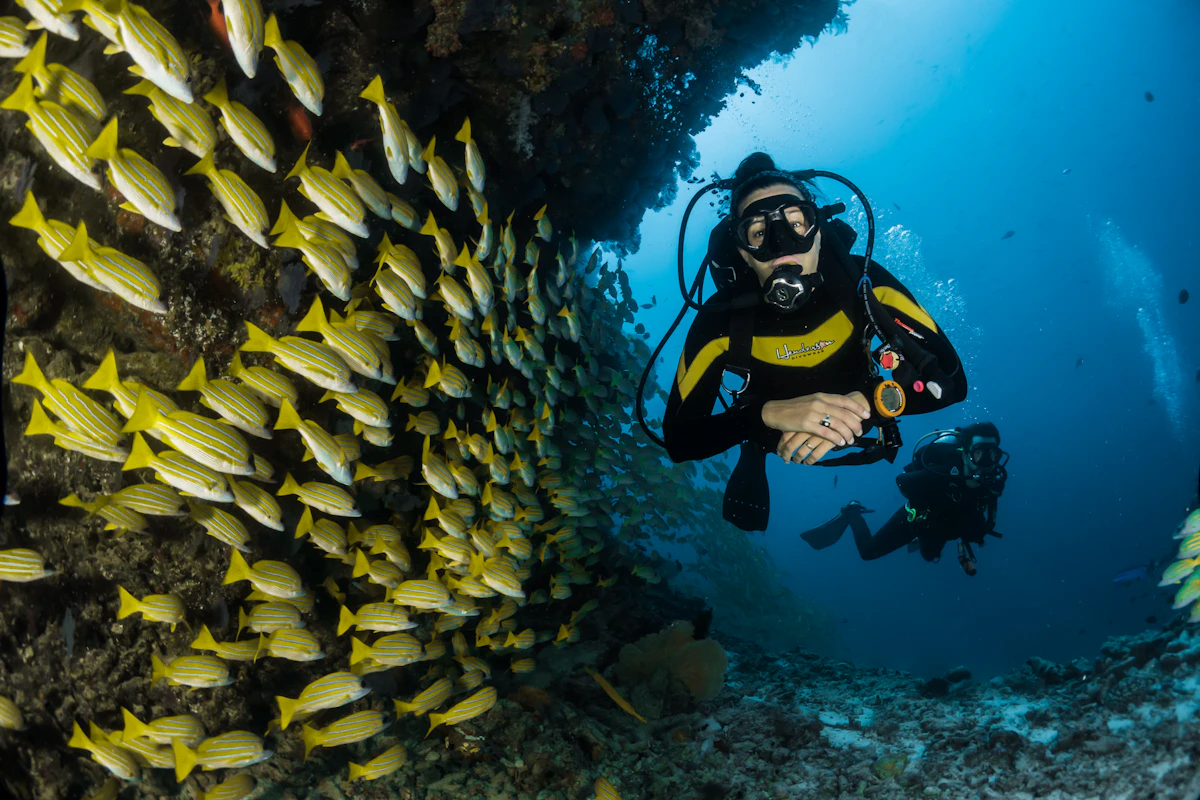
Palm trees framing a sunset shore
This is the national park's quiet edge, the beach access most visitors skip in their rush to the cave temples inland. You'll have the sand largely to yourself, sharing it with villagers who've fished these waters for generations and the occasional Thai family on a weekend escape. The swimming is gentle—soft sand underfoot, gradual deepening, water that stays bathwater-warm even in December. Behind you, the mountains shift color with the light: grey-green at dawn, bone-white at noon, purple-shadowed by late afternoon.
The magic is in the juxtaposition: you're lying on a beach that could be anywhere along the Gulf, but those peaks keep pulling your eyes landward, transforming an ordinary coastline into something approaching spectacle. Local guesthouses dot the village road, simple places with tile floors and morning coffee served on plastic tables. No luxury here, just clean rooms and the most dramatic mountain-meets-sea panorama on Thailand's Gulf coast, right outside your window.


