Counting the waves…
Counting the waves…
A refined fusion of water purity, environmental stability, and communal vibrancy for Koh Libong Beach.
View MethodologyAnalyzed via live sensors and environmental data.
Wave height, wind, and atmospheric stability.
Live footfall and crowd balance metrics.
Community reviews and curated sentiment.
“This isn't the postcard version of Thailand—the beaches are functional, tidal, and shared with fishing boats dragged above the high-water line. You'll come for the absence of development and stay because the slow pace…”
Limited recent visitor reports — live OBI telemetry is your best guide for current conditions.
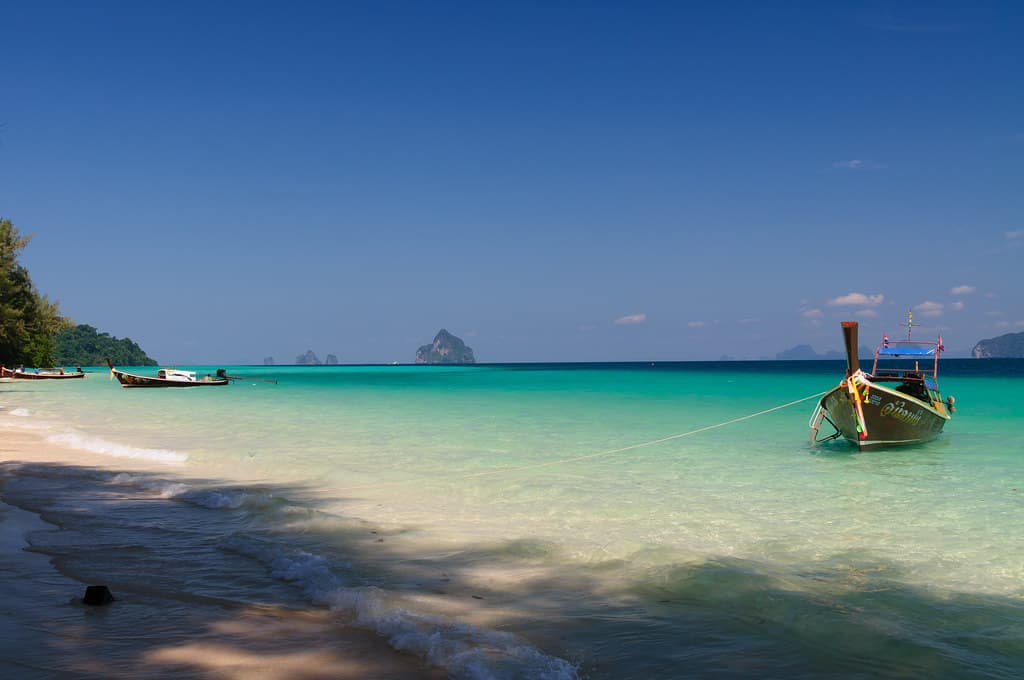
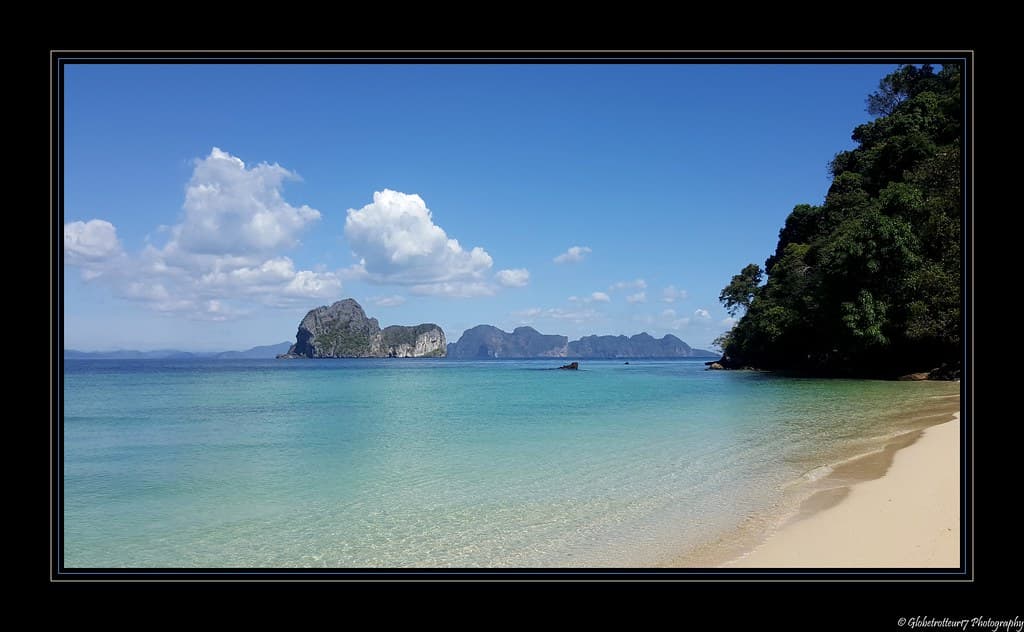
Koh Libong belongs to the sea gypsies and the fishermen, their stilted villages connected by concrete paths that flood during spring tides. The main beach runs along the western shore, a broad expanse where the water retreats hundreds of meters at low tide, exposing mudflats stippled with hermit crabs and tiny sand bubbler crabs that roll the sediment into perfect spheres. Children fly kites here in the late afternoon when the onshore breeze picks up, their colorful tails snapping against a sky that deepens from blue to violet.
The island's real treasure swims offshore: a resident population of dugongs that graze the seagrass beds like underwater cattle, surfacing every few minutes to breathe with audible exhalations. You'll need patience and a local guide to spot them—they're shy, and the water runs murky with tannins from the mangroves—but hearing that breath break the surface makes the wait worthwhile. Between dugong surveys, you can explore the interior by rented motorcycle, passing rubber plantations and schoolyards where games of takraw spill into the road.
Tropical island lagoon from above
Crashing wave at sunset on the shoreline
Early morning boat tours
Sea gypsy communities
Tidal creek exploration
Prime Visitation
Best Weather
Where it is
Koh Libong Beach
Trang City, Trang Islands, Thailand
7.314000°, 99.320000°
Weather
Loading…
Swell
—
Temp
Warm · Restorative
UV Index
Moderate
Wind
—
Tidal State
Last known
Max Sunlight
—
Ideal Shade
—
Jan - Dec (Peak)
May - Nov (Off-season)
Historical data suggests peak visibility and stable sea temperatures occur during the prime visitation window.
Select a category to load nearby places.
Unlock restaurants, luxury stays and curated maritime experiences within 2km
Koh Libong Beach is generally safe for families and children due to its calm, shallow waters and peaceful atmosphere. The beach experiences gentle waves, making it suitable for young swimmers. However, always supervise children near water and check local conditions upon arrival. During monsoon season (May-October), waves can become stronger. The quiet, less-developed nature of the island means fewer lifeguards, so personal vigilance is essential. The sandy bottom and gradual depth make it ideal for families seeking a relaxed beach experience.
The best time to visit Koh Libong Beach is during the dry season from November to April, when you'll experience sunny skies, calm seas, and minimal rainfall. December through February offers the most pleasant temperatures and ideal conditions for swimming and beach activities. March and April are hotter but still enjoyable. The monsoon season from May to October brings heavy rain, rough seas, and some accommodations may close. For the optimal combination of good weather and fewer crowds, visit in November or late February through March.
To reach Koh Libong Beach, first travel to Trang town by bus, train, or flight from Bangkok or other Thai cities. From Trang, take a minivan or taxi to Hat Yao Pier, approximately 40 kilometers away. Regular longtail boats and ferries depart from Hat Yao Pier to Koh Libong, with the journey taking around 30-40 minutes. Boat schedules vary by season, with more frequent services during peak months. Some resorts offer private transfers. It's advisable to confirm boat times in advance as services can be limited during monsoon season.
Koh Libong offers modest accommodation options ranging from simple bungalows to mid-range resorts, primarily along the western coast. Most lodging includes on-site restaurants serving Thai cuisine and fresh seafood. The island has a relaxed, low-key atmosphere with limited nightlife and fewer dining choices compared to larger tourist destinations. Small local restaurants in the main village serve authentic southern Thai dishes at reasonable prices. Advance booking is recommended during high season. For more variety, some visitors take day trips, but the island's simplicity is part of its family-friendly charm.
Koh Libong is one of Thailand's best locations for spotting dugongs, rare marine mammals that graze on seagrass beds surrounding the island. The waters around Koh Libong host one of the largest dugong populations in Thailand, with around 100-150 individuals. While sightings aren't guaranteed, you can arrange boat tours with local guides who know the best spots and times, typically early morning. The best months for dugong watching are during calmer seas from November to April. Respectful viewing from a distance is essential to protect these endangered creatures and their habitat.
Photos