Counting the waves…
Counting the waves…
A refined fusion of water purity, environmental stability, and communal vibrancy for Ao Phrao Beach.
View MethodologyAnalyzed via live sensors and environmental data.
Wave height, wind, and atmospheric stability.
Live footfall and crowd balance metrics.
Community reviews and curated sentiment.
“Getting here requires commitment—a long motorbike ride over progressively rougher roads, or a chartered long-tail willing to venture this far south—but arrival reveals a beach that still feels genuinely isolated despite…”
Limited recent visitor reports — live OBI telemetry is your best guide for current conditions.
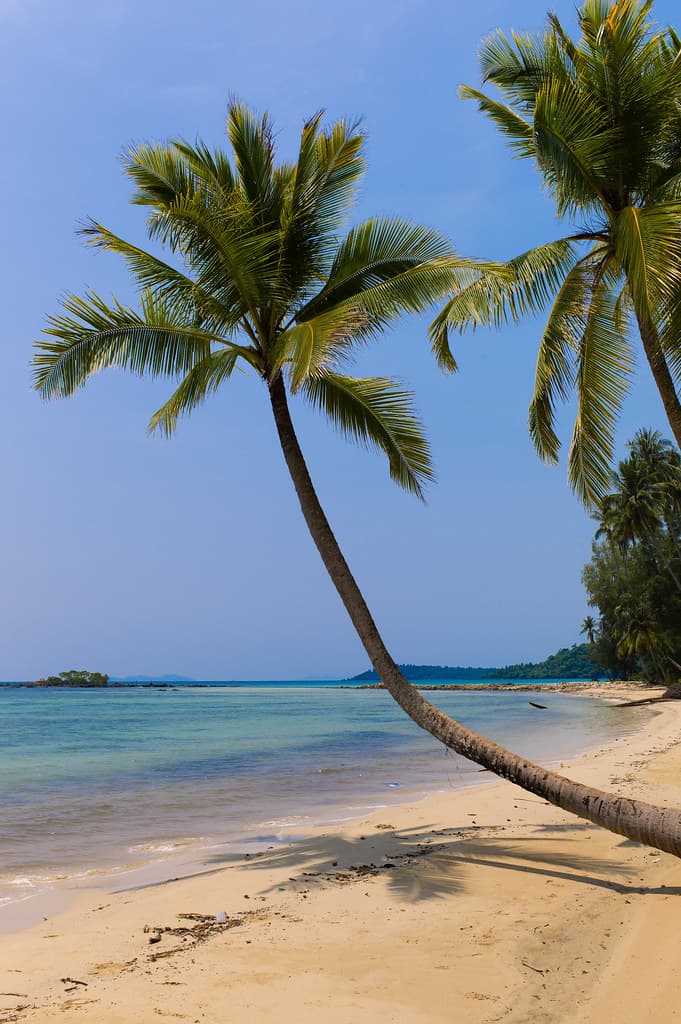
The road deteriorates to red dirt and exposed roots for the final two kilometers, branches scraping your shoulders if you're on a scooter, before jungle suddenly opens onto a beach of powdery white sand that stretches in a gentle arc between rocky outcrops. Ao Phrao occupies the island's remote southern tip, far enough from Bang Bao pier and the developed northern beaches that day-trippers rarely make the journey. The sand holds the consistency of confectioner's sugar, fine-grained and brilliant white, unmarked except for the delicate calligraphy of ghost crab tracks that appear fresh each dawn.
A few low-key bungalow operations scatter along the beach, their architecture simple—bamboo and thatch, weathered wood, hand-painted signs. The water here carries more clarity than the island's busier beaches, and the seafloor reveals itself in bands of color: pale sand shallows transitioning to darker patches where seagrass grows, then deeper blue where the bottom drops away offshore. Morning brings fishing boats motoring past en route to deeper waters, their engines the loudest sound you'll hear besides waves and wind through casuarina trees. By afternoon, the beach often empties completely, even of the bungalow guests who retreat to hammocks and afternoon siestas.
 Credit: Unsplash
a sandy beach with chairs and thatched huts
 Credit: Unsplash
aerial view of green trees near body of water during daytime
Often-empty water for private dips
White sand solitude for hours
Dawn reveals overnight sand art
Prime Visitation
Best Weather|Less Crowds
Where it is
Ao Phrao Beach
Ko Kood, Trat, Thailand
11.603700°, 102.539600°
Weather
Loading…
Swell
—
Temp
Warm · Restorative
UV Index
Moderate
Wind
—
Tidal State
Last known
Max Sunlight
—
Ideal Shade
—
Jan - Dec (Peak)
May - Nov (Off-season)
Best Weather|Less Crowds
Near Ao Phrao Beach
Explore dining, stays, nightlife, and activities near Ao Phrao Beach in Ko Kood, Thailand. Every listing below is a real place linked to this beach — open a card for reviews, maps, and booking options.
Food, cafés, and dining close to Ao Phrao Beach — curated from places linked to this beach.
Stays and lodging options near Ao Phrao Beach for your beach trip.
Select a category to load nearby places.
Unlock restaurants, luxury stays and curated maritime experiences within 2km
Ao Phrao Beach generally offers safe swimming conditions, especially during the dry season from November to April when seas are calm. The beach has gentle slopes and clear water ideal for families and casual swimmers. During the monsoon season (May to October), waves can become stronger and water clarity may decrease. Always check local conditions before entering the water, as Ko Kood beaches lack formal lifeguard services. The remote location means medical facilities are limited to basic clinics on the island.
The optimal time to visit Ao Phrao Beach is November through April, when the weather is dry, sunny, and seas are calm. December to February offers the coolest temperatures and best conditions for swimming and snorkeling. March and April are hotter but still excellent with minimal rainfall. May to October brings monsoon season with frequent rain, rough seas, and reduced boat services. Many island resorts close during this period. Visit during weekdays in the dry season to experience the remote, quiet-island atmosphere this beach is known for.
Reaching Ao Phrao Beach requires getting to Ko Kood island first. From Bangkok or Trat, take a ferry from Laem Sok pier (approximately 90 minutes by speedboat or 3 hours by slow ferry). Ferries typically run November to April, with limited service during monsoon season. Once on Ko Kood, Ao Phrao is on the southern part of the island. Most visitors arrange transfers through their resort, rent a motorbike, or hire a taxi-truck. The island has limited public transport, so pre-arranged transportation is recommended.
Ao Phrao Beach has limited but quality accommodation options, primarily small resorts and bungalows that emphasize the quiet, remote atmosphere. Facilities range from basic beach bungalows to mid-range resorts with beachfront settings. Most accommodations include restaurants serving Thai and seafood dishes, as standalone dining options are scarce in this remote location. Many visitors eat at their resort or explore nearby areas. Advance booking is essential during peak season (December-February), as options are limited and this far-south beach sees fewer developments than northern Ko Kood beaches.
Ao Phrao Beach stands out for its location on the far southern tip of Ko Kood, offering a more remote and untouched atmosphere compared to busier northern beaches like Klong Chao. The beach attracts couples and travelers seeking genuine quiet-island seclusion with beautiful white sand and fewer visitors. Its southern position means it's less developed with minimal commercial activity, preserving a traditional island feel. The beach offers excellent opportunities for peaceful relaxation, romantic getaways, and experiencing Ko Kood's natural beauty without crowds, though this remoteness also means fewer amenities and services.
Photos