
Counting the waves…
Counting the waves…
A refined fusion of water purity, environmental stability, and communal vibrancy for Kwigillingok Beach.
View MethodologyAnalyzed via live sensors and environmental data.
Wave height, wind, and atmospheric stability.
Live footfall and crowd balance metrics.
Community reviews and curated sentiment.
“You stand on driftwood-strewn sand as wind carries the scent of salt and kelp across the Yukon-Kuskokwim Delta. Kwigillingok Beach unfolds in shades of steel and silver, where ice chunks polish smooth stones and beluga…”
Limited recent visitor reports — live OBI telemetry is your best guide for current conditions.
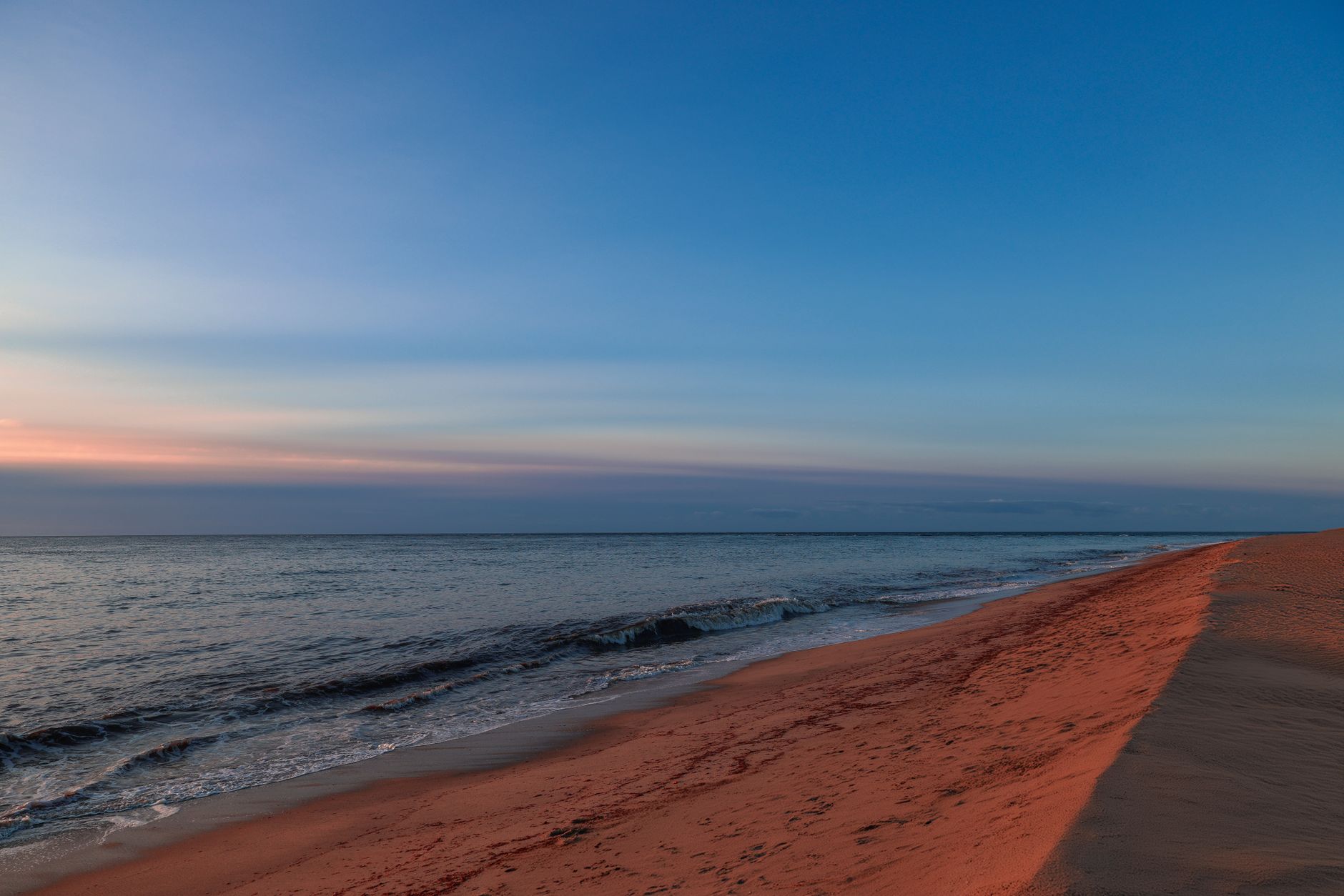
Reaching Kwigillingok Beach means committing to Alaska on its own terms. This tiny Yup'ik community of fewer than 400 souls sits on the delta coast accessible only by bush plane or winter ice road, and the beach stretches along the Bering Sea in a raw exhibition of subarctic beauty. Driftwood logs, bleached bone-white by sun and salt, pile against low dunes where beach grass trembles in the constant wind. The tide line reveals purple starfish clinging to rocks, shards of sea ice even in summer months, and the occasional glass fishing float that drifted across the Pacific.
The light here shifts with dramatic speed—pewter clouds race overhead, briefly parting to cast sharp shadows across wet sand before closing again. Temperatures hover in the 40s and 50s Fahrenheit during the warmest months, and you'll want every layer you packed. Seabirds wheel and cry above the surf: murres, puffins, terns tracing invisible highways between nesting cliffs and feeding grounds.
Credit: PexelsPhotograph Driftwood Sculptures
Bleached logs stacked by storms
Tide pools reveal subarctic marine life
Navigate sloughs between tundra islands
Where it is
Kwigillingok Beach
Kwigillingok, Alaska, USA
59.876900°, -163.166200°
Weather
Loading…
Swell
—
Temp
Warm · Restorative
UV Index
Moderate
Wind
—
Tidal State
Last known
Max Sunlight
—
Ideal Shade
—
May - Sep (Peak)
Jan - Dec (Off-season)
Historical data suggests peak visibility and stable sea temperatures occur during the prime visitation window.
Select a category to load nearby places.
Unlock restaurants, luxury stays and curated maritime experiences within 2km
Swimming at Kwigillingok Beach is not recommended for most visitors. The Bering Sea waters here are extremely cold year-round, typically ranging from 32-50°F, which poses serious hypothermia risks. Strong currents and unpredictable weather conditions add additional hazards. The beach is better suited for walking, wildlife observation, and photography. If you do enter the water, wear appropriate cold-water gear and never swim alone. Always check local conditions and consult residents about current safety concerns before approaching the waterline.
Summer months (June through August) offer the most accessible conditions, with temperatures reaching 50-60°F and nearly 20 hours of daylight. This period is ideal for beachcombing and wildlife viewing, particularly migratory birds. Winter brings extreme cold, strong winds, and limited daylight, though you might witness the Northern Lights. Spring and fall offer solitude but unpredictable weather. Keep in mind that weather can change rapidly any time of year in this remote Bering Sea location, so prepare for all conditions regardless of season.
Kwigillingok is only accessible by air, with flights from Bethel on small regional carriers like Ravn Alaska or Grant Aviation. There are no roads connecting to the outside world. The village itself is small and walkable, with the beach accessible on foot or by ATV from the village center within minutes. Parking isn't a concern in the traditional sense, as most locals use ATVs or walk. You'll need to arrange your visit through local contacts, as this is a remote Yup'ik community with limited visitor infrastructure.
Kwigillingok has extremely limited visitor amenities. There are no hotels, restaurants, or established lodging facilities for tourists. Visitors typically arrange homestays with local residents or stay in community buildings through prior arrangement. The village has small stores with basic supplies, but prices are high due to air freight costs. It's essential to bring most provisions with you and arrange accommodations well in advance through community contacts. This is a subsistence-based community, not a tourist destination, so plan accordingly and respect local customs.
Kwigillingok is a traditional Yup'ik Eskimo village where subsistence activities like fishing and hunting remain central to daily life. You may observe traditional practices along the beach, including fish drying racks and seasonal hunting activities. However, this is a living community, not a tourist attraction. Visitors should obtain permission before visiting and respect private property and cultural practices. Photography often requires permission. If welcomed, you might witness traditional activities, but approach with cultural sensitivity and understand that community needs take priority over tourism interests.
Photos