Counting the waves…
Counting the waves…
A refined fusion of water purity, environmental stability, and communal vibrancy for Bowling Ball Beach.
View MethodologyAnalyzed via live sensors and environmental data.
Wave height, wind, and atmospheric stability.
Live footfall and crowd balance metrics.
Community reviews and curated sentiment.
“You'll descend a steep bluff trail to find hundreds of smooth, spherical concretions scattered across the dark beach like forgotten giants' marbles. Time your visit with the tide charts—the full spectacle reveals itself…”
Limited recent visitor reports — live OBI telemetry is your best guide for current conditions.
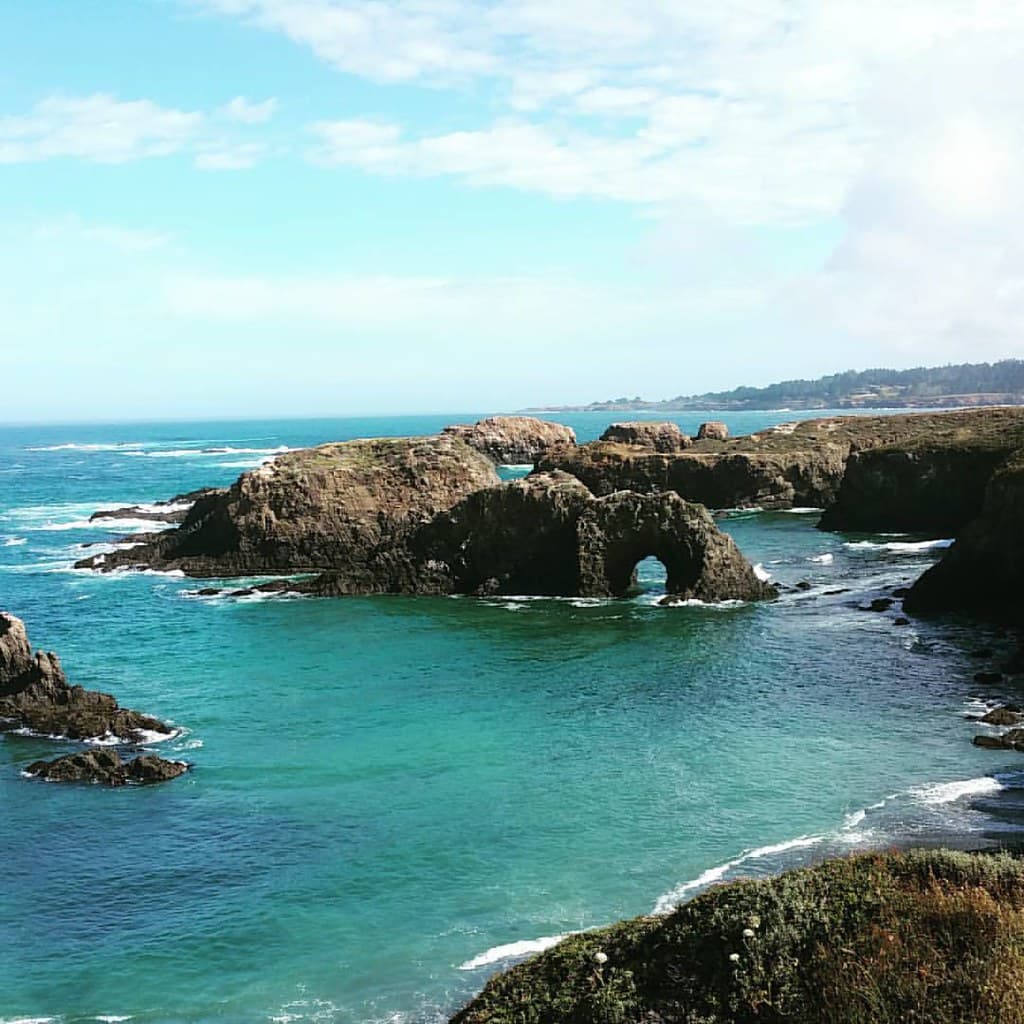
The locals call it Bowling Ball Beach, but no name quite prepares you for the surreal geometry waiting below the cliffs. Round boulders, some nearly four feet in diameter, sit half-buried in gunmetal sand, their surfaces worn smooth by millennia of wave action. These concretions formed when mineral cement bound ancient sediment into spheres; erosion freed them from the mudstone cliffs, and now they rest in clusters and rows that shift imperceptibly with each winter storm.
You'll want to check the tide tables before making the scramble down the bluff—two hours either side of low tide offers the best viewing, when the ocean pulls back to expose the full collection. The descent demands sturdy footwear and careful footing on the eroded path. Once down, the beach stretches in both directions, framed by dramatic headlands where ospreys nest and harbor seals haul out on offshore rocks.
Shoot spherical concretions at dawn
Walk headlands for seal watching
Watch light hit wet boulders
Where it is
Bowling Ball Beach
Point Arena, California, USA
38.892200°, -123.692700°
Weather
Loading…
Swell
—
Temp
Warm · Restorative
UV Index
Moderate
Wind
—
Tidal State
Last known
Max Sunlight
—
Ideal Shade
—
May - Sep (Peak)
Jan - Dec (Off-season)
Historical data suggests peak visibility and stable sea temperatures occur during the prime visitation window.
Select a category to load nearby places.
Unlock restaurants, luxury stays and curated maritime experiences within 2km
Swimming at Bowling Ball Beach is generally not recommended due to strong currents, unpredictable waves, and cold water temperatures typical of Northern California's coast. The beach is better suited for tidepooling and photography rather than water activities. The rocks can be slippery when wet, so exercise caution when walking among the formations. Always keep a safe distance from the surf zone, as sneaker waves are common along this coastline and can appear without warning, even on calm days.
The iconic spherical boulders are best viewed during low tide, particularly minus tides, when they're fully exposed on the beach. Check tide charts before visiting and plan to arrive 1-2 hours before low tide. Winter months often provide the lowest tides, but the formations are visible year-round during low tide periods. Sunset visits are popular for photography, offering dramatic lighting. Morning low tides typically mean fewer crowds. The beach itself is accessible throughout the year in most weather conditions.
Bowling Ball Beach is located about 3 miles south of Point Arena off Highway 1. Look for Schooner Gulch Road; there's a small pullout parking area on the west side of the highway. Parking is limited to approximately 10-15 vehicles. From the parking area, follow the trail down to the beach, which involves a moderately steep descent. The hike takes about 10-15 minutes. Arrive early during peak season and weekends to secure parking, as the lot fills quickly.
The town of Point Arena, about 3 miles north, offers several dining options, grocery stores, and lodging including motels and vacation rentals. You'll find cafes, seafood restaurants, and casual eateries in town. There are no facilities directly at the beach—no restrooms, water, or food vendors—so come prepared. Nearby communities like Gualala (20 miles south) and Mendocino (40 miles north) provide additional accommodation options. Pack snacks, water, and use facilities before visiting the beach.
The spherical boulders are concretions formed millions of years ago through a geological process where sedimentary minerals crystallized around a core, creating nearly perfect spheres over time. As the surrounding mudstone cliff erodes, these harder concretions are exposed and eventually fall onto the beach. They range from basketball to large boulder size. The formations continue to weather and eventually break apart from wave action. This natural phenomenon makes Bowling Ball Beach a unique geological destination along California's Mendocino Coast.