
The shoreline at Butler Island doesn't announce itself. You park near the crumbling rice plantation dikes—relics from the 1800s when enslaved workers engineered these tidal fields—and walk paths hemmed by live oaks dripping Spanish moss. The beach, such as it is, appears as a ribbon of sand and shell hash bordering slow-moving channels where dolphins surface without fanfare. Bring binoculars: this is the Atlantic Flyway, and during migration windows you'll spot wood storks, roseate spoonbills, and painted buntings threading through the wetlands.
“This is one of the few Georgia beaches where rice plantation history and untouched tidal ecosystems converge, offering solitude without sacrificing ecological richness.”
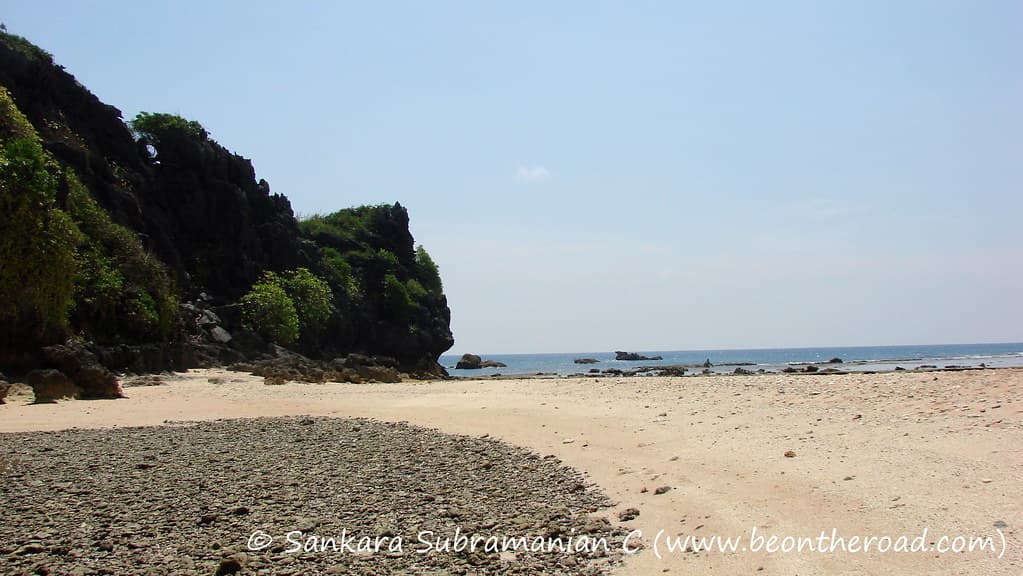 Credit: Flickr
Beach surrounded by Limestone Caves
The water here runs brackish and tea-colored, stained by tannins from upstream cypress swamps. You won't find beach chairs or umbrellas. Instead, you'll discover fiddler crabs scuttling across mudbanks at low tide, their choreography oddly mesmerizing. Kayakers glide past, en route to the labyrinth of tidal creeks that lace the delta. The shoreline shifts with each tide cycle, revealing oyster beds that rasp underfoot and sandbars that vanish by afternoon.
Timing matters here. Visit two hours before low tide to explore the widest stretches of exposed beach. The light in late afternoon turns the marsh grasses amber, and the silence—broken only by the occasional mullet slapping water—feels almost devotional. Pack out everything you bring; this remains one of the last truly uncommercial beaches along Georgia's coast, maintained more by neglect than intention.


