
The mile-long trail from the Au Sable Light Station descends through a cathedral of hemlock and birch, depositing you at the mouth of the Hurricane River where rust-colored water braids across a stone delta before surrendering to Superior's indigo expanse. This isn't sand-between-your-toes territory—the beach is a jumble of Lake Superior agates, driftwood smoothed to bone-white, and stones that click underfoot like a slow round of applause.
“One of the few Lake Superior beaches where a wild river mouth creates a warm-water wading zone against the lake's notorious chill.”
 Credit: Flickr
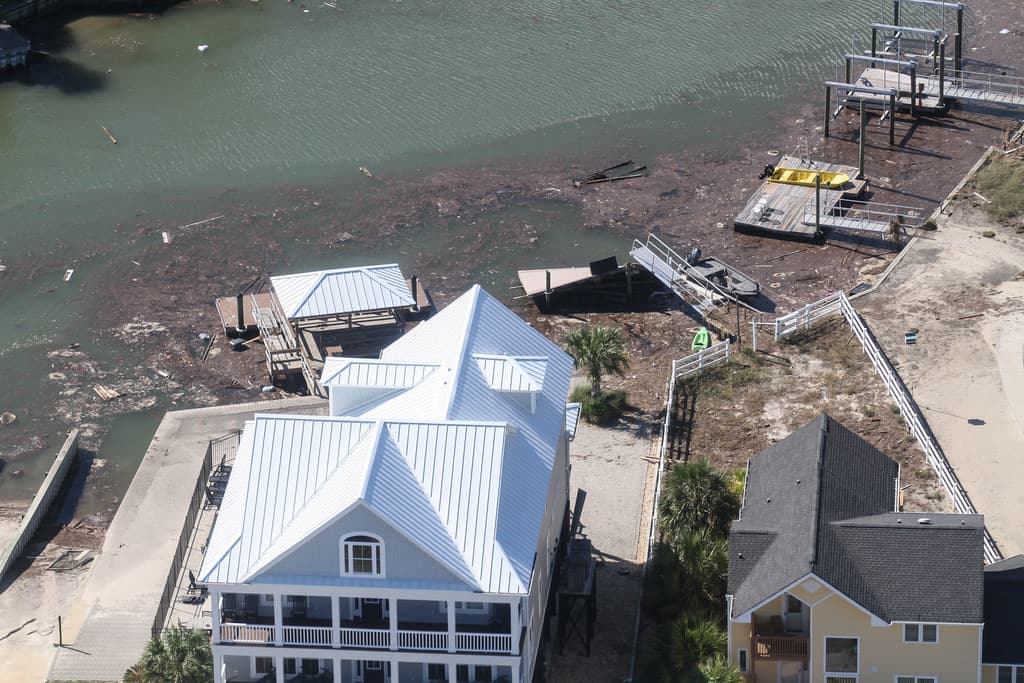
South Carolina Gov. Henry McMaster visits the coast in the aftermath of Hurricane Ian
You'll share the shoreline with mergansers and the occasional black bear ambling down for a drink. The water temperature rarely climbs above fifty-five degrees, even in August, which keeps casual swimmers at bay and preserves the beach's solitude. Paddlers launch kayaks here to explore the nearby shipwreck coast, where nineteenth-century schooners rest in water so clear you can count their ribs from the surface.
The best hours arrive late afternoon when the western sun turns the cliffs amber and the lake exhales cool air that smells faintly of iron and endless distance. You're standing at the edge of a body of water that holds ten percent of the world's fresh surface water, and the silence is so complete you can hear waves sorting pebbles by size.


