
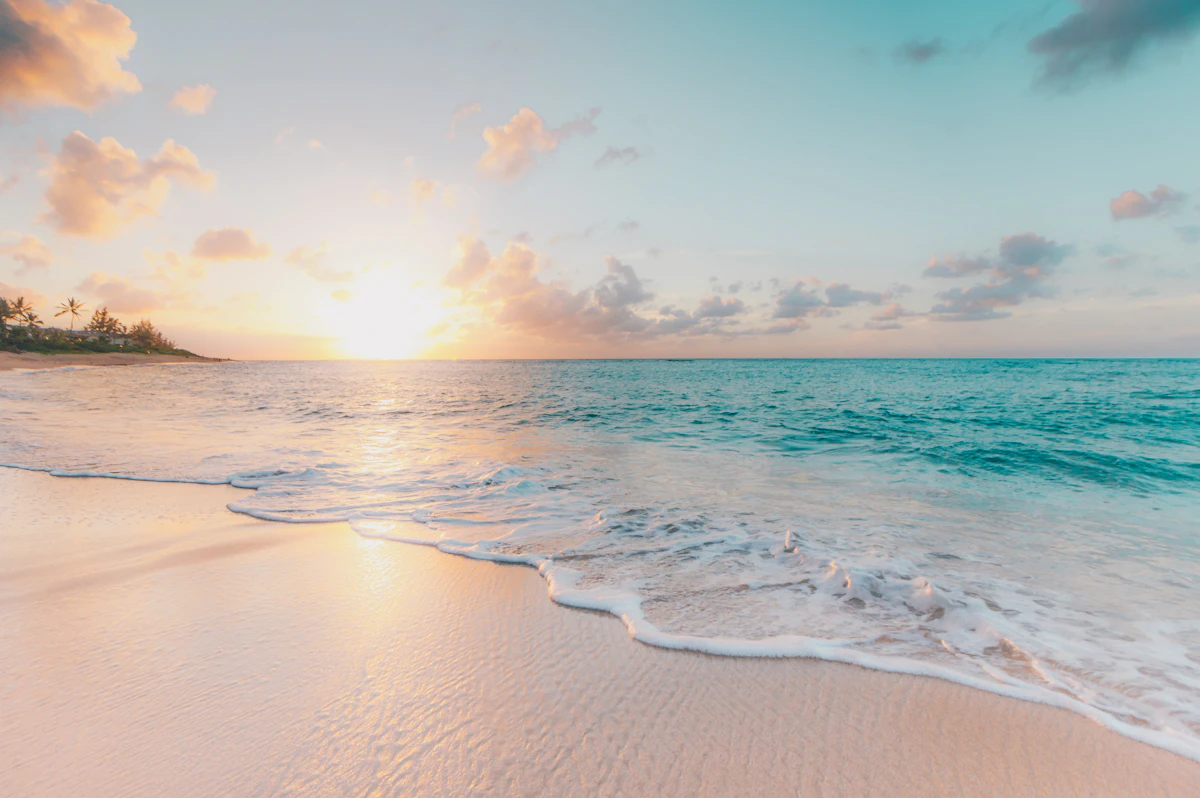
Counting the waves…
Counting the waves…
A refined fusion of water purity, environmental stability, and communal vibrancy for Face Rock Beach.
View MethodologyAnalyzed via live sensors and environmental data.
Wave height, wind, and atmospheric stability.
Live footfall and crowd balance metrics.
Community reviews and curated sentiment.
“You'll spot the namesake formation before you even leave your car—a woman's profile frozen in basalt, gazing eternally skyward. The wind carries salt and the briny funk of tidepools as gulls wheel above rock towers that…”
Limited recent visitor reports — live OBI telemetry is your best guide for current conditions.
The legend involves a princess, a moon, and a vengeful ocean spirit, but you don't need the folklore to understand why Face Rock commands attention. The basalt monolith juts from the surf line, its nose, chin, and forehead unmistakable even in fog. Around it, a scattered archipelago of sea stacks—Cat and Kittens, Elephant Rock—creates a geology lesson in erosion, each formation carving the swells into channels and backwash that thunder against stone.
You'll walk this beach differently than others. The receding tide exposes agate-studded sand and tidepools bristling with ochre stars and anemones that retract at the brush of your finger. Driftwood logs, bleached silver and massive as telephone poles, form impromptu benches facing the rock gallery. Winter storms bring the most dramatic light—slate skies split by shafts of sun that turn the wet sand into hammered pewter.
Aerial view of turquoise tropical bay
Wide white-sand beach with footprints
Reflections double the rock formations
Paved path above tide line
Check gravel beds near cliffs
Where it is
Face Rock Beach
Bandon, Oregon, USA
43.118100°, -124.437000°
Weather
Loading…
Swell
—
Temp
Warm · Restorative
UV Index
Moderate
Wind
—
Tidal State
Last known
Max Sunlight
—
Ideal Shade
—
May - Sep (Peak)
Jan - Dec (Off-season)
Historical data suggests peak visibility and stable sea temperatures occur during the prime visitation window.
Select a category to load nearby places.
Unlock restaurants, luxury stays and curated maritime experiences within 2km
Swimming at Face Rock Beach is generally not recommended due to strong currents, unpredictable waves, and cold water temperatures year-round. The Oregon coast is known for dangerous sneaker waves that can appear without warning and pull people into the ocean. The beach is better suited for tide pooling, beachcombing, and photography. Always keep a safe distance from the water's edge, never turn your back on the ocean, and supervise children closely. Wading in calmer tide pools during low tide is safer than ocean swimming.
Face Rock Beach is accessible year-round, with each season offering unique experiences. Summer (June-September) brings the driest weather and clearest skies for photography, though fog can occur. Winter storms (November-February) create dramatic wave action and stunning scenery, but bring rain and wind. Spring and fall offer mild weather with fewer crowds. For tide pooling, visit during low tide regardless of season. Sunset visits are particularly spectacular year-round, as the rock formations create stunning silhouettes against the Pacific Ocean.
Face Rock Beach is located on the southern end of Bandon, accessible via Beach Loop Road (also called Beach Loop Drive). From Highway 101, take the Bandon exit and follow signs toward Beach Loop Road. There's a dedicated parking area at Face Rock State Scenic Viewpoint with free parking and restrooms. The lot is paved and can accommodate RVs. From the parking area, it's a short walk down to the beach. The viewpoint itself offers excellent views of the famous rock formations without descending to the sand.
Face Rock Beach has limited on-site amenities, but downtown Bandon is just 2-3 miles north with numerous restaurants, cafes, and shops. The beach itself has public restrooms at the viewpoint but no food vendors. For lodging, several oceanfront hotels and vacation rentals line Beach Loop Road, including options within walking distance of Face Rock. Downtown Bandon offers additional hotels, motels, and bed-and-breakfasts. Popular dining options in town include fresh seafood restaurants and casual cafes. Grocery stores are available in Bandon for picnic supplies.
Face Rock is named for its distinctive profile resembling a woman's face looking skyward. According to Coquille Indian legend, the rock formation represents Princess Ewauna, who was swimming in the ocean when the evil spirit Seatka attacked her. She stared defiantly at the sky, refusing to look at him, and he turned her to stone. The surrounding smaller rocks allegedly represent her animal companions. The formation is best viewed from the beach or the scenic viewpoint parking area, particularly during sunset when lighting enhances the facial features.
Photos