
Counting the waves…
Counting the waves…
A refined fusion of water purity, environmental stability, and communal vibrancy for Big Shell Beach.
View MethodologyAnalyzed via live sensors and environmental data.
Wave height, wind, and atmospheric stability.
Live footfall and crowd balance metrics.
Community reviews and curated sentiment.
“You'll hear Big Shell Beach before you see it—the constant whisper of waves rolling over billions of coquinas, lightning whelks, and sand dollars. The shore shimmers white and pink under the Texas sun, a natural mosaic…”
Limited recent visitor reports — live OBI telemetry is your best guide for current conditions.
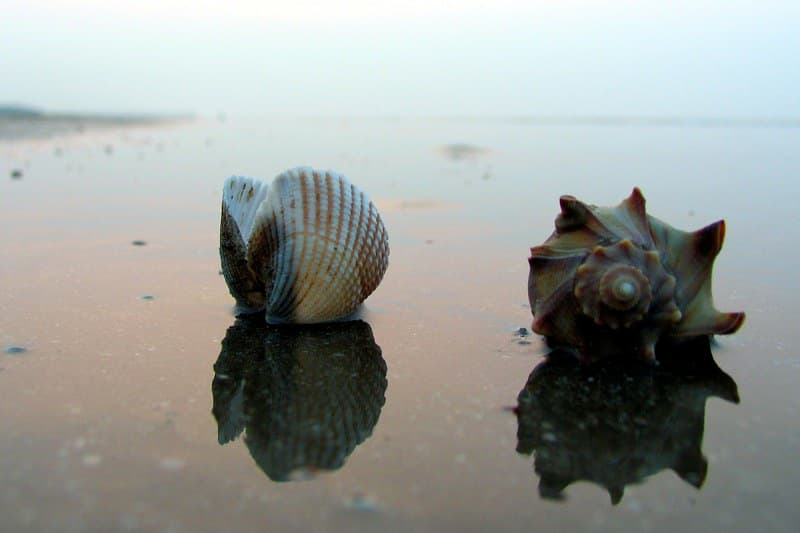
The shore at Big Shell Beach doesn't feel like sand. Your boots sink into a soft, rattling layer of shells—whole cockles the size of your palm, delicate coquinas in lavender and cream, spiraled whelks still holding their pearlescent sheen. The deposit shifts with every tide, so dense in places you won't find a grain of sand beneath your toes. Gulls wheel overhead, their shadows crossing the white expanse, while brown pelicans dive just beyond the breakers.
Reaching this section of Padre Island National Seashore requires commitment. You'll drive fifteen miles down hard-packed sand from the park entrance, passing only the occasional surf-fisherman and nesting Kemp's ridley turtle zone. The beach access road ends, but Big Shell continues south, a ribbon of accumulated calcium carbonate that marks one of the richest shelling grounds on the Gulf Coast. Saltwater taffy-colored sunrise spills across the shells each morning, turning the beach into something between a jeweler's table and a paleontologist's dig.
Shoot macro at golden hour
Collect whelks after high tide
Consistent sandbars, hollow peaks
Where it is
Big Shell Beach
Corpus Christi, Texas, USA
27.247500°, -97.207200°
Weather
Loading…
Swell
—
Temp
Warm · Restorative
UV Index
Moderate
Wind
—
Tidal State
Last known
Max Sunlight
—
Ideal Shade
—
May - Sep (Peak)
Jan - Dec (Off-season)
Historical data suggests peak visibility and stable sea temperatures occur during the prime visitation window.
Select a category to load nearby places.
Unlock restaurants, luxury stays and curated maritime experiences within 2km
Big Shell Beach is primarily known for shell collecting rather than swimming. The beach is covered with shells, making it uncomfortable to walk barefoot and less ideal for traditional beach activities. Currents and water conditions can vary, so check local advisories before entering the water. The shell-covered terrain can be sharp, so water shoes are essential if you plan to wade. Most visitors come for shelling and beachcombing rather than swimming. Always supervise children closely and be aware of jellyfish, which can be present in Gulf waters.
Big Shell Beach can be visited year-round, with each season offering different advantages. Winter and early spring (December-March) often bring the best shelling conditions after storms wash up fresh shells. Summer months are warm but can be hot and humid. Fall offers pleasant temperatures and fewer crowds. For optimal shelling, visit after storms or during low tide when more beach area is exposed. Early mornings typically offer the best finds before other collectors arrive. Avoid visiting during hurricane season peak (August-October) when severe weather is more likely.
Big Shell Beach is located on the northern end of Padre Island National Seashore, accessible via Park Road 22 from Corpus Christi. From downtown Corpus Christi, take Highway 358 to Padre Island, then follow Park Road 22 into the national seashore. There is a park entrance fee for the national seashore. Parking is available at the Malaquite Beach Visitor Center, though Big Shell Beach requires driving on the beach (4WD recommended) or hiking north along the shore. Check current beach driving conditions and regulations before attempting vehicle access.
Big Shell Beach is within Padre Island National Seashore, a protected area with no commercial development. The Malaquite Beach Visitor Center offers limited snacks and basic amenities. For full dining and lodging options, return to Corpus Christi (about 30-45 minutes away) or the nearby community of Padre Island, which has restaurants, hotels, and vacation rentals. The national seashore does offer primitive camping with permits. Bring your own food, water, and supplies when visiting Big Shell Beach, as there are no facilities directly at this remote shelling area.
Big Shell Beach is renowned for the sheer abundance and variety of shells that wash ashore, creating a beach surface actually covered in shells rather than sand. The beach's location on Padre Island's northern tip creates conditions where Gulf currents deposit exceptional quantities of shells. Visitors can find dozens of species including conchs, sand dollars, whelks, and olive shells. The concentration of shells is so dense that the beach earned its descriptive name. Serious shell collectors consider it one of Texas's premier shelling destinations, especially after storms when rare specimens may appear.