
Counting the waves…
Counting the waves…
A refined fusion of water purity, environmental stability, and communal vibrancy for Playa Boca del Río Manzanares.
View MethodologyAnalyzed via live sensors and environmental data.
Wave height, wind, and atmospheric stability.
Live footfall and crowd balance metrics.
Community reviews and curated sentiment.
“The Manzanares River spills into the Caribbean here, turning the surf line brackish and bronze. Wooden boats rest on their sides at low tide, paint peeling in blues and yellows, while herons stalk the mudflats for…”
Limited recent visitor reports — live OBI telemetry is your best guide for current conditions.
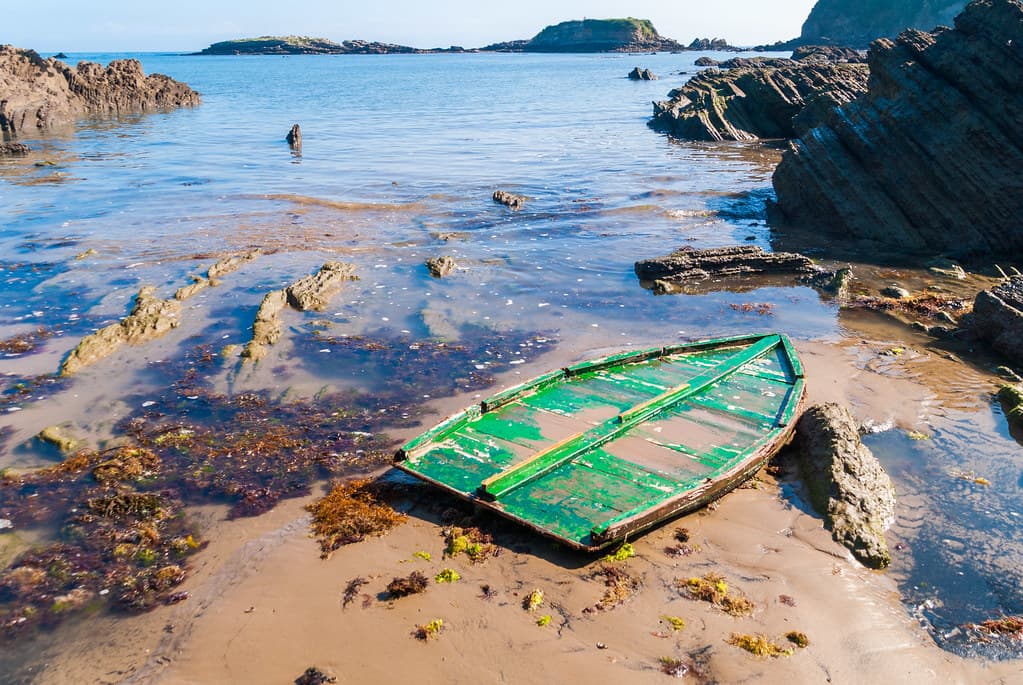
Where the Manzanares exhales into the gulf, the beach belongs as much to the river as to the sea. The sand holds a silt-dark tinge, and the water shifts color with the tide—milky coffee at the outflow, deepening to teal as you wade toward the breakers. Fishing boats cluster near the mouth, their hulls scarred and sun-faded, rocking gently in the current that never quite stops moving.
You reach the boca by water taxi from the town dock, a five-minute ride past mangrove fingers and weathered pilings. The boatman kills the motor and lets momentum carry you onto the sand. Children dive from an old concrete pier, their shouts echoing off the water, while a woman in a wide-brimmed hat shucks oysters in the shade of a beached cayuco, tossing shells into a growing pile.
Paddle the delta channels
Cool river meets warm sea
Shucked dockside by locals
Prime Visitation
Best Weather|Less Crowds
Where it is
Playa Boca del Río Manzanares
Cumaná, Sucre, Venezuela
10.480600°, -64.158900°
Weather
Loading…
Swell
—
Temp
Warm · Restorative
UV Index
Moderate
Wind
—
Tidal State
Last known
Max Sunlight
—
Ideal Shade
—
Jan - Dec (Peak)
May - Nov (Off-season)
Best Weather|Less Crowds
Select a category to load nearby places.
Unlock restaurants, luxury stays and curated maritime experiences within 2km
River-mouth beaches present unique swimming considerations due to mixing fresh and salt water and potential currents where the river meets the sea. Water conditions can change with tides and river flow, creating variable currents. Visibility may be lower due to sediment from the river. Locals familiar with the area will know the safest spots and times to swim. Avoid swimming during or after heavy rains when river discharge increases. The scenic setting is excellent for wading and enjoying the landscape, even if full swimming requires caution.
Visit during Venezuela's dry season (December to April) when the Manzanares River runs clearer and weather conditions are optimal. This period offers the best combination of pleasant temperatures, calmer waters, and reduced rainfall. The beach experiences fewer crowds year-round due to its hidden nature and lack of separate indexing. Sunrise and early morning visits provide excellent light for photography of the river meeting the sea. Avoid the rainy season when the river may carry more sediment and experience higher flows affecting beach conditions.
Access may involve boat transport, as suggested by the tags, particularly if approaching from the water via the Manzanares River. From Cumaná, inquire locally about boat services or fishing vessels that travel to the river mouth. Alternatively, there may be land access requiring navigation through delta areas, potentially needing a guide familiar with the terrain. The beach's status as not separately indexed means clear signage is unlikely. Contact local tour operators in Cumaná who may offer river excursions that include this destination.
This river-mouth beach, being off the typical tourist index, will not have dedicated facilities on-site. Base yourself in Cumaná where hotels and restaurants are available across budget ranges. For a day visit, pack food, water, and sun protection. Local fishermen sometimes frequent river-mouth areas and might offer informal fish sales or recommendations. If arriving by boat, your operator may provide refreshments. The scenic, hidden nature of this location makes it ideal for a prepared day trip rather than expecting amenities.
The defining feature is its river-mouth location where the Manzanares River flows into the Caribbean Sea, creating a distinctive ecosystem and landscape rarely indexed separately. This convergence zone offers unique scenery with both riverine and coastal elements, often attracting diverse wildlife and birds. The requirement for boat access adds adventure and ensures minimal crowds. Photographers and nature enthusiasts appreciate the dynamic interplay of fresh and salt water, changing light conditions, and authentic coastal delta environment unexplored by typical tourists seeking conventional beaches.
Photos