

Counting the waves…
Counting the waves…
A refined fusion of water purity, environmental stability, and communal vibrancy for Playa Laguna Grande Fringe.
View MethodologyAnalyzed via live sensors and environmental data.
Wave height, wind, and atmospheric stability.
Live footfall and crowd balance metrics.
Community reviews and curated sentiment.
“You pick your way along a beach that doesn't appear on tourist maps, where the brackish lagoon seeps into sand and tiny crabs vanish into holes with each footstep. Behind you, mangroves; ahead, water that shifts from…”
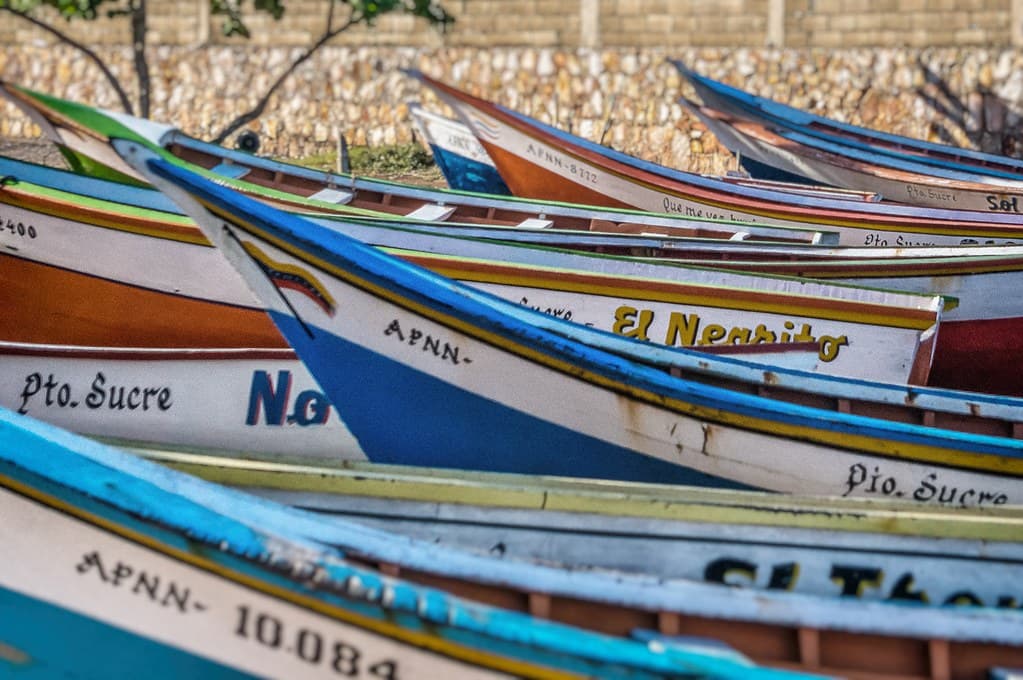
Limited recent visitor reports — live OBI telemetry is your best guide for current conditions.
The fringe beach exists in the margin between ecosystems—neither fully Caribbean nor entirely lagoon, but a narrow transition zone most visitors never notice. You reach it by following sandy tracks that skirt Laguna Grande's southern edge, where the protected water finally opens to the sea. The sand here feels different underfoot, packed firm and peppered with shell fragments ground fine as rice.
Mangrove roots finger into the upper beach, creating tide pools that trap minnows and harbor translucent shrimp. You watch frigatebirds soar overhead while egrets stalk the shallows on stick-thin legs, their white plumage shocking against the tannin-stained water. The lagoon itself spreads behind you, its surface dimpled by mullet and needlefish, while seaward the Caribbean proper begins its deeper blue.
Egrets and frigatebirds hunting
Paddle the lagoon channels
Warm brackish shallows
Prime Visitation
Best Weather|Less Crowds
Where it is
Playa Laguna Grande Fringe
Cumaná, Sucre, Venezuela
10.469800°, -64.147300°
Weather
Loading…
Swell
—
Temp
Warm · Restorative
UV Index
Moderate
Wind
—
Tidal State
Last known
Max Sunlight
—
Ideal Shade
—
Jan - Dec (Peak)
May - Nov (Off-season)
Best Weather|Less Crowds
Select a category to load nearby places.
Unlock restaurants, luxury stays and curated maritime experiences within 2km
Lagoon beaches generally offer calmer, gentler waters compared to open ocean beaches, making them safer for swimming. The protected nature of lagoon fringes means fewer strong currents and waves. However, always check local conditions before entering the water, be aware of water depth changes, and swim during daylight hours. Since this is an off-the-map location, lifeguard services are unlikely to be present, so exercise personal caution and never swim alone.
The dry season from December to April typically offers the best weather along Venezuela's Caribbean coast, with clear skies and calmer waters. Because this beach is hidden and receives fewer visitors, you can enjoy relative solitude year-round. Weekdays are particularly quiet compared to weekends when locals may visit. Avoid the rainy season (June to November) when lagoon areas can experience higher water levels and muddier conditions, though this also means even fewer crowds.
Since this lagoon fringe beach is typically omitted from maps, reaching it requires local knowledge or GPS coordinates. From Cumaná's city center, you'll likely need private transportation such as a rental car or taxi, as public transport to unmarked beaches is unreliable. Ask locals in Cumaná for specific directions, as they may know access points. The route may involve unpaved roads or walking the final stretch, so wear appropriate footwear and consider hiring a local guide familiar with the area.
As a hidden, unmapped lagoon beach, dedicated tourist facilities directly at this location are unlikely. You'll need to base yourself in central Cumaná, which offers various hotels, guesthouses, and restaurants to suit different budgets. Pack snacks, water, and supplies for a full beach day, as vendors are probably absent. Plan to return to the city for meals and accommodation. Some travelers bring picnic supplies to enjoy the secluded setting without facilities.
This beach's defining feature is its lagoon fringe location, offering a tranquil alternative to ocean beaches with calm, shallow waters and scenic backwater views. Its absence from most maps means you'll likely have the shoreline largely to yourself, providing an authentic, undeveloped coastal experience. The lagoon ecosystem may attract diverse birdlife and unique vegetation. For travellers seeking solitude and natural beauty without tourist infrastructure, this hidden gem delivers a peaceful escape that feels far removed from typical beach destinations.
Photos