

You arrive by panga from Mochima village, the boat nosing through shallows where the river's fresh water rides atop the denser seawater, creating swirls visible from above. The beach curves in a gentle arc, backed by mangroves whose roots trap plastic bottles and driftwood in equal measure. Children from the handful of houses upstream play in the river current while their parents mend nets in the shade of almond trees.
“The freshwater-saltwater interface creates a unique ecosystem found nowhere else in Mochima, attracting species from both environments in a narrow transitional zone.”
 Credit: Unsplash
Palm trees framing a sunset shore
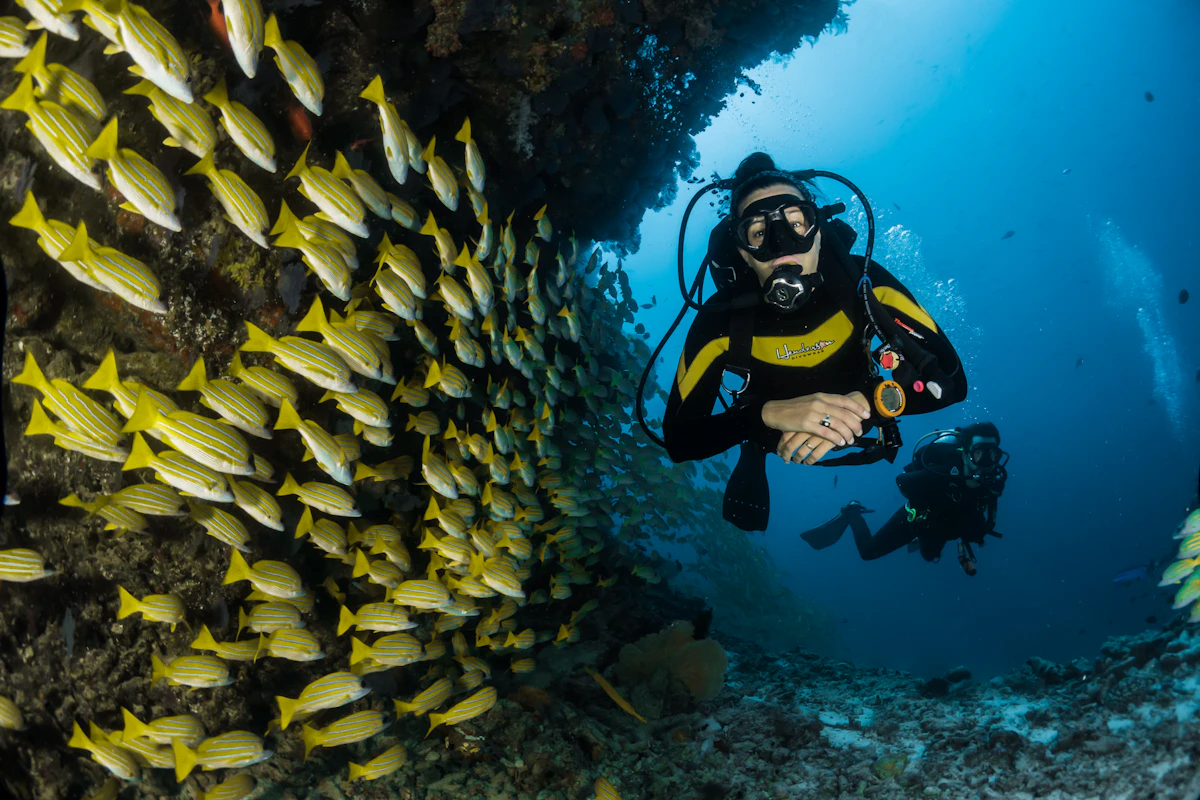
The sand is gray-brown, volcanic in origin, nothing like the white coral beaches of the offshore cays. It squeaks underfoot when dry and holds heat like a griddle by afternoon. Where fresh water meets salt, tiny fish swirl in clouds—juveniles using the brackish zone as a nursery before migrating to reef or river. Bring a mask and you'll see both ecosystems colliding: freshwater tetras darting alongside damselfish, neither quite comfortable in the mixed salinity.
Sunset here is the draw. The river mouth faces west-southwest, and as the sun drops behind the coastal mountains, the water turns molten, the boundary between river and sea marked by distinct color bands. Fishermen return with the day's catch—snapper, mostly—and if you've befriended the right people, someone might offer to grill a few over driftwood coals. The temperature drops quickly once the sun disappears, and mosquitoes emerge from the mangroves with purpose.


