King George Island · Antártida e Islas del Atlántico Sur · Argentina
Marian Cove Beach
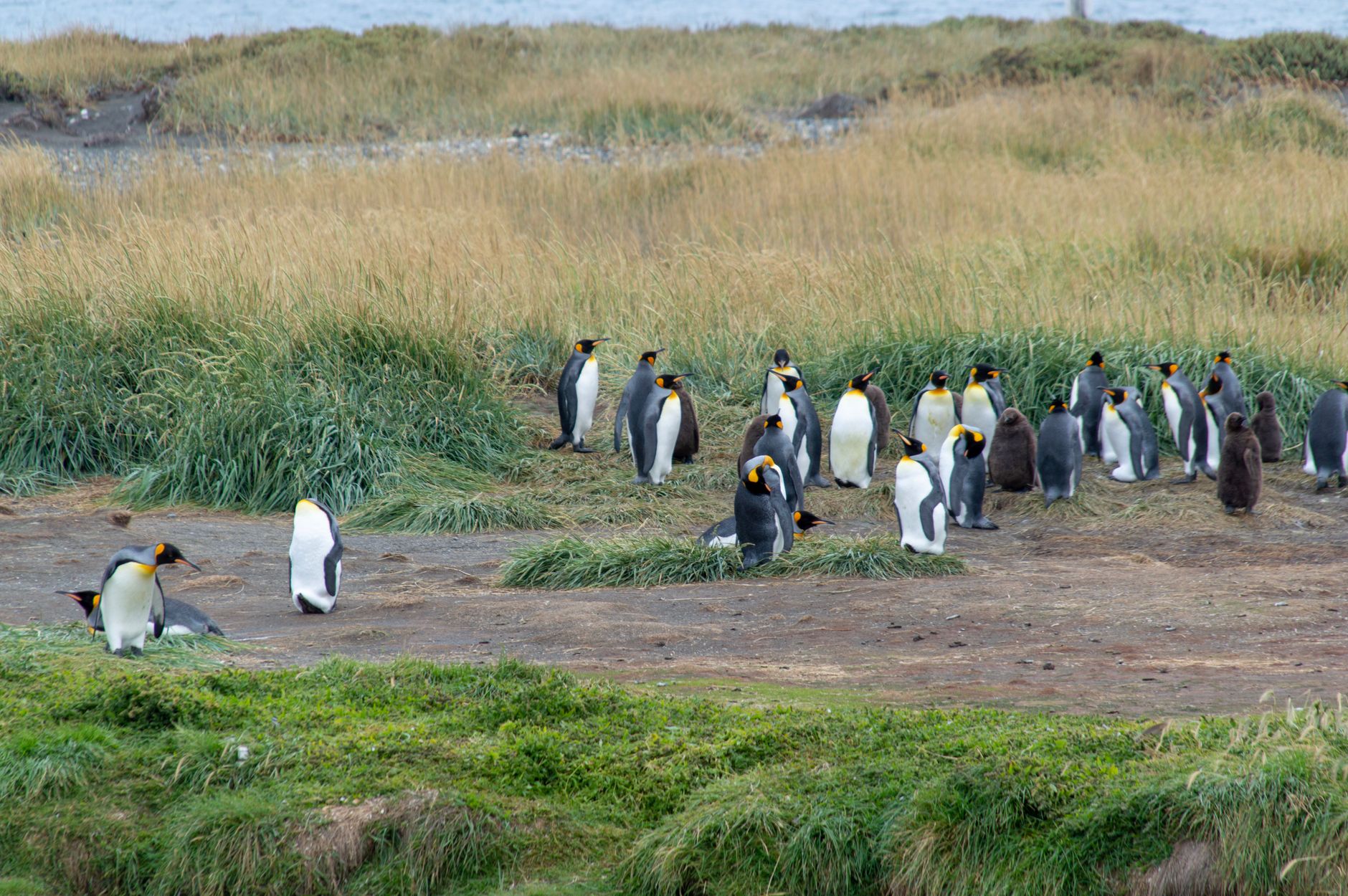
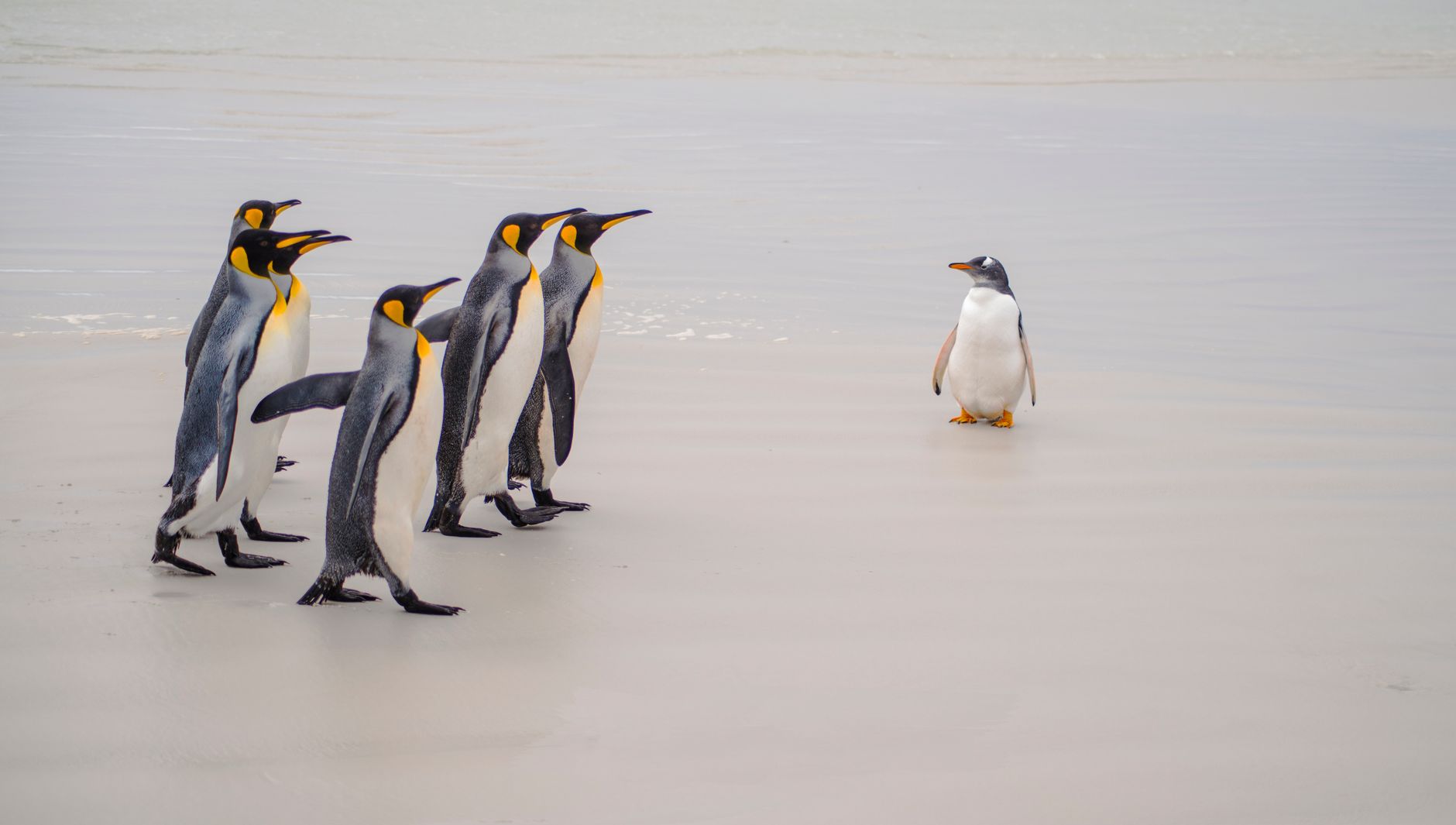
Your boots crunch on black volcanic stones as wind whips off the glacier's blue face, carrying the briny musk of kelp and seal colonies. Marian Cove sits within walking distance of Argentina's Carlini research station, a beach where the only footprints belong to chinstrap penguins waddling between ice and ocean.
Reading live conditions…
Live from Open-Meteo · sea surface temperature and wave data modelled at 1-km grid resolution for Marian Cove Beach. Numbers refresh at the hourly tick.
- Purity
- 0%
- Conditions
- 0%
- Crowd
- 0%
- Vibe
- 0%
The OnlyBeaches Index weighs four pillars against your chosen persona. Purity comes from water clarity and air-quality heuristics; Conditions from Open-Meteo waves, wind and temperatures; Crowd from historical patterns; Vibe from nearby events within 50 km. The score rebalances throughout the day.
Marian Cove Beach
King George Island·Antártida e Islas del Atlántico Sur·Argentina
Your boots crunch on black volcanic stones as wind whips off the glacier's blue face, carrying the briny musk of kelp and seal colonies. Marian Cove sits within walking distance of Argentina's Carlini research station, a beach where the only footprints belong to chinstrap penguins waddling between ice and ocean.
Photos
8 captures from Marian Cove Beach
About this beach
Where it is
Marian Cove Beach
King George Island, Antártida e Islas del Atlántico Sur, Argentina
-62.2216°, -58.7857°
Top things to do
At Marian Cove Beach
Glacier Calving Shots
Collins face drops icebergs daily
Station Perimeter Trail
Carlini base to cove headland
Seal Colony Portraits
Keep five meters minimum distance
Penguin Highway Watch
Chinstraps commute ice to water
Near this beach
Places, rentals, tours and events within walking and driving distance of Marian Cove Beach.
Questions people actually ask about Marian Cove Beach.
Is it safe to swim at Marian Cove Beach?
Swimming is not recommended at Marian Cove Beach due to extreme water temperatures hovering near freezing year-round. Hypothermia can occur within minutes of immersion. Additionally, Antarctic Protocol regulations prohibit most water activities to protect the pristine environment. Visitors should maintain safe distances from the shoreline, as weather conditions can change rapidly and glacier calving poses hazards. Always follow expedition leader guidance and remain with your group.
When is the best time to visit Marian Cove Beach?
The Antarctic summer season from November through March offers the best access to Marian Cove Beach, with December to February providing the most favorable weather conditions. During these months, temperatures are relatively milder, sea ice coverage is reduced, and wildlife is most active. Late November and December offer longer daylight hours, while January and February provide slightly warmer conditions. All visits require joining an organized expedition cruise.