Stanley · Antártida e Islas del Atlántico Sur · Argentina
Whalebone Cove
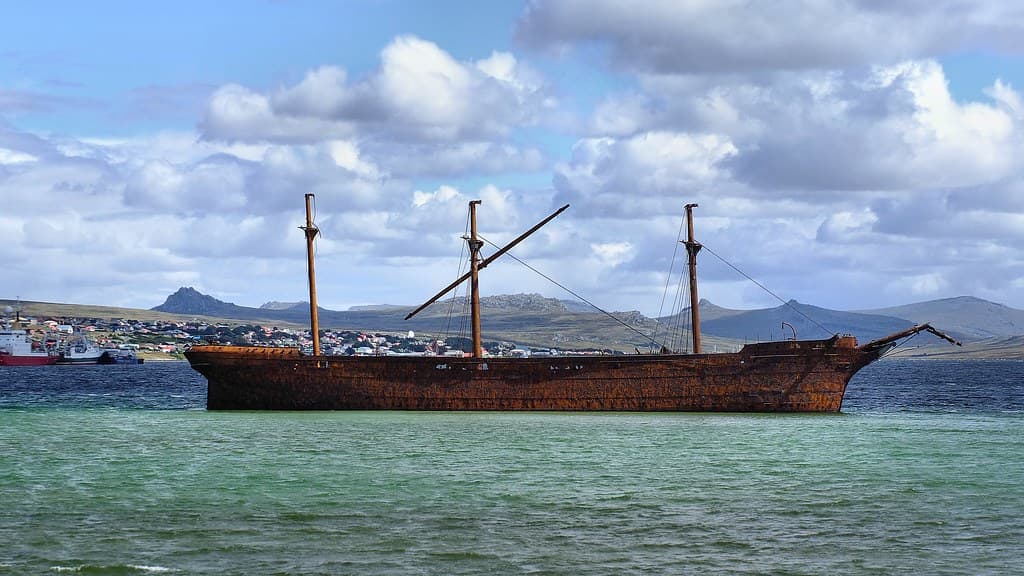
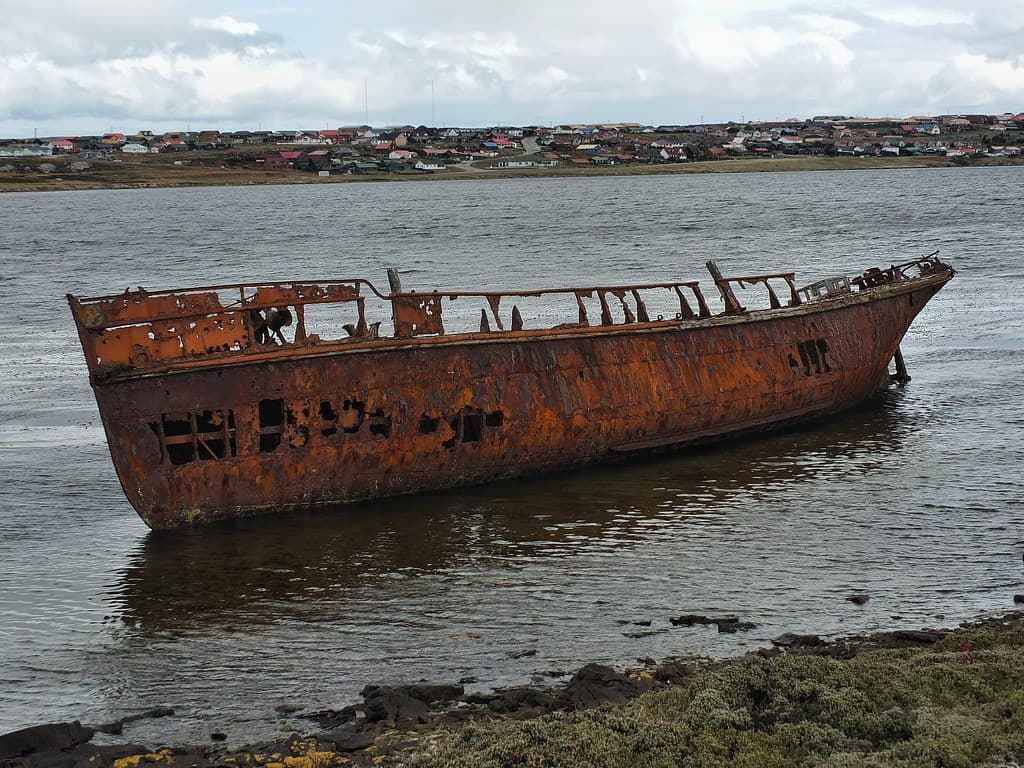
You'll hear the barking of sea lions before you see them hauled out on the kelp-slicked rocks of Whalebone Cove. Just beyond Stanley's painted rooftops, this pocket of shoreline curls into itself, shielded from the relentless westerlies that scour the Falklands. The water is steel-gray and bracingly cold, the air thick with salt and the musky scent of fur seals.
Reading live conditions…
Live from Open-Meteo · sea surface temperature and wave data modelled at 1-km grid resolution for Whalebone Cove. Numbers refresh at the hourly tick.
- Purity
- 0%
- Conditions
- 0%
- Crowd
- 0%
- Vibe
- 0%
The OnlyBeaches Index weighs four pillars against your chosen persona. Purity comes from water clarity and air-quality heuristics; Conditions from Open-Meteo waves, wind and temperatures; Crowd from historical patterns; Vibe from nearby events within 50 km. The score rebalances throughout the day.
You'll hear the barking of sea lions before you see them hauled out on the kelp-slicked rocks of Whalebone Cove. Just beyond Stanley's painted rooftops, this pocket of shoreline curls into itself, shielded from the relentless westerlies that scour the Falklands. The water is steel-gray and bracingly cold, the air thick with salt and the musky scent of fur seals.
Photos
8 captures from Whalebone Cove
About this beach
Where it is
Whalebone Cove
Stanley, Antártida e Islas del Atlántico Sur, Argentina
-51.6928°, -57.8537°
Top things to do
At Whalebone Cove
Penguin Portraits
Magellanics nest in nearby burrows
Coastal Track
Follow bluffs toward Gypsy Cove
Tidepool Study
Limpets cling to volcanic rocks
Seal Watching
Fur seals haul out offshore
Near this beach
Places, rentals, tours and events within walking and driving distance of Whalebone Cove.
Questions people actually ask about Whalebone Cove.
Is it safe to swim at Whalebone Cove?
Swimming at Whalebone Cove is generally not recommended due to extremely cold water temperatures year-round, typically between 2-9°C (36-48°F). The sheltered nature of the cove provides some protection from strong currents, but hypothermia risk remains high even in summer. Most visitors enjoy the beach for walking, wildlife observation, and coastal scenery rather than water activities. If you do enter the water, wear appropriate cold-water protection and never swim alone.
When is the best time to visit Whalebone Cove?
The optimal visiting period is during the Falklands summer from November through March, when temperatures are milder (averaging 8-13°C) and daylight hours are longest. December and January offer the best weather with less wind, though conditions can change rapidly. Wildlife is more active during these months. Winter (June-August) brings harsher conditions with strong winds, shorter days, and temperatures often below 5°C, making beach exploration less comfortable though still possible for hardy visitors.