Counting the waves…
Counting the waves…
A refined fusion of water purity, environmental stability, and communal vibrancy for Pyramid Rock Beach.
View MethodologyAnalyzed via live sensors and environmental data.
Wave height, wind, and atmospheric stability.
Live footfall and crowd balance metrics.
Community reviews and curated sentiment.
“You'll smell salt and eucalyptus on the breeze before the ochre cliffs appear. This western coast of Phillip Island pairs geological drama—hexagonal basalt columns rising from sand—with shallow pools warm enough for…”
Limited recent visitor reports — live OBI telemetry is your best guide for current conditions.
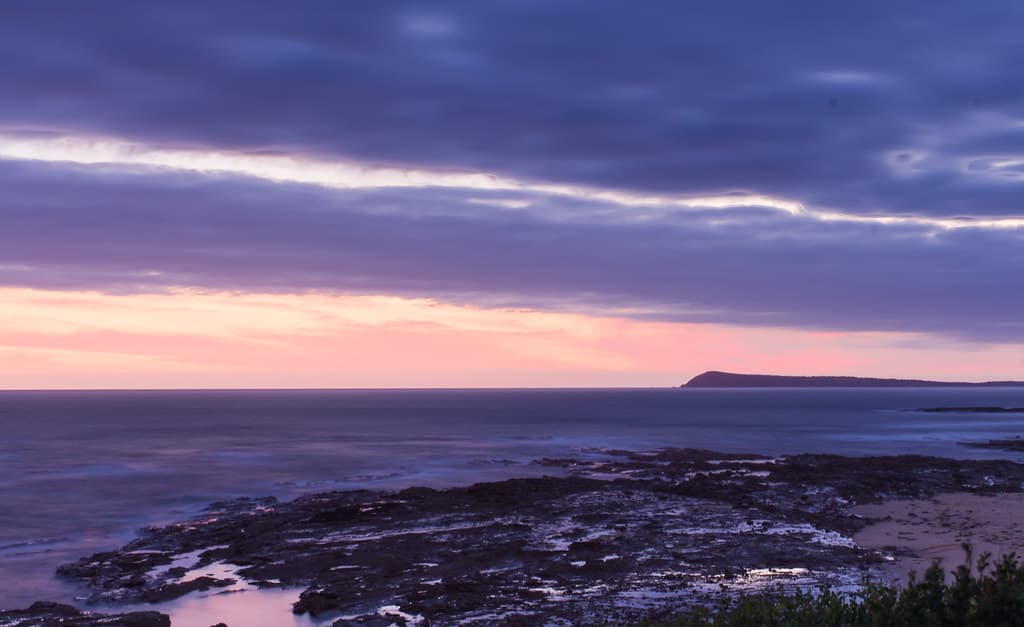
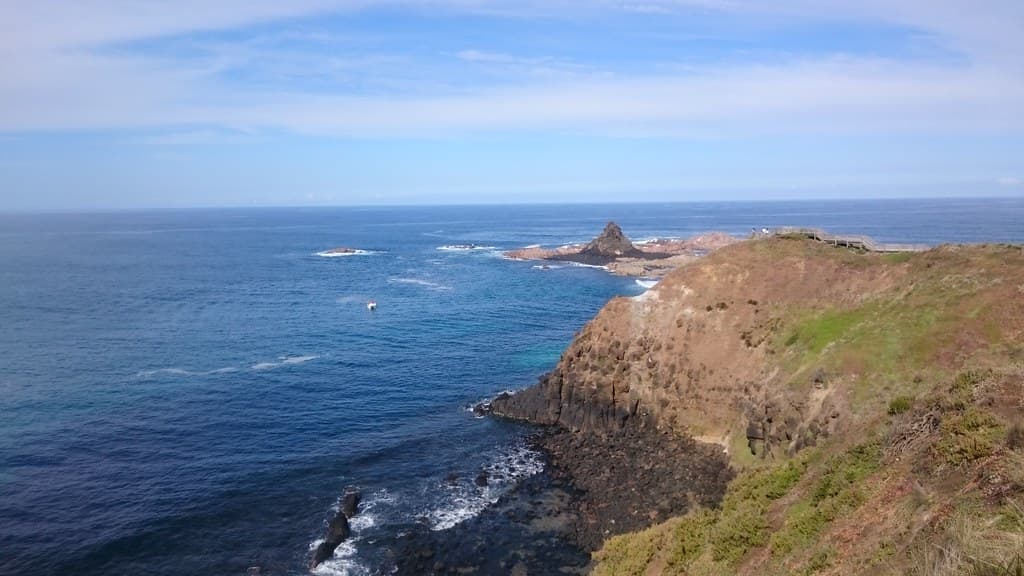
The name says headland, but your feet will touch sand first—a gentle crescent where the Westernport foreshore meets volcanic remnants carved by millennia of Bass Strait swells. Pyramid Rock itself rises ahead, a tiered formation of basalt that fractures into geometric columns, their dark surfaces slick with spray when the tide pushes in. At low water, rockpools reveal anemones the color of burgundy wine and tiny fish darting between kelp fronds.
Families spread blankets near the carpark end, where the sand stays soft and the water rarely climbs past knee-height. Children squat with nets, hunting for hermit crabs while parents watch swallows dive low over the dunes. The beach curves southwest, sheltered enough that even January afternoons feel manageable, though the wind picks up most evenings and whips sand into tiny eddies along the tideline.
Golden hour highlights geometric edges
Protected penguin habitat viewing path
Toddler-safe tidal exploration zones
Where it is
Pyramid Rock Beach
Cowes, Victoria, Australia
-38.519400°, 145.445000°
Weather
Loading…
Swell
—
Temp
Warm · Restorative
UV Index
Moderate
Wind
—
Tidal State
Last known
Max Sunlight
—
Ideal Shade
—
Jan - Dec (Peak)
Mar - Nov (Off-season)
Historical data suggests peak visibility and stable sea temperatures occur during the prime visitation window.
Select a category to load nearby places.
Unlock restaurants, luxury stays and curated maritime experiences within 2km
Pyramid Rock Beach is generally not recommended for swimming due to strong currents, rough surf, and rocky terrain. The beach is unpatrolled and lacks lifeguard services. It's primarily visited for its dramatic coastal scenery, rock formations, and photography opportunities rather than swimming. If you want to swim, nearby beaches like Cowes Main Beach offer calmer, patrolled waters more suitable for families. Always check local conditions and warning signs before entering the water, and never swim alone at unpatrolled beaches.
Pyramid Rock Beach can be visited year-round, but each season offers different experiences. Summer (December-February) provides warm weather ideal for beach walks and picnics, though it can be crowded. Autumn and spring offer mild temperatures and fewer visitors, perfect for photography and wildlife spotting. Winter brings dramatic seas and potential whale watching opportunities. Sunset visits are particularly popular year-round for spectacular views. Low tide is best for exploring rock pools and getting closer to the iconic pyramid rock formation.
Pyramid Rock Beach is located about 6 kilometers from Cowes town center on Phillip Island. From Cowes, drive along the coast road towards Ventnor, following signs to Pyramid Rock. Free parking is available in a small gravel car park near the beach access point. The walk from the car park to the beach involves a short, moderately steep track. The beach is accessible by car only; public transport options are limited in this area, so driving or cycling from Cowes is recommended.
Pyramid Rock Beach has no on-site amenities, food vendors, or facilities, so come prepared with everything you need. Pack your own food, drinks, and sun protection. The nearest shops, cafes, and restaurants are in Cowes, about 10 minutes' drive away, where you'll find supermarkets, bakeries, and various dining options. Public toilets are not available at the beach itself. For accommodation, Cowes and nearby Ventnor offer hotels, holiday rentals, and caravan parks. It's best to bring rubbish bags as bins are limited.
The beach is named after the distinctive pyramid-shaped rock formation that rises dramatically from the surf near the shore, creating one of Phillip Island's most photographed landmarks. This natural basalt rock stack is accessible during low tide and has become iconic in Australian coastal imagery. The beach's unique geology features striking rock formations, tide pools, and rugged cliffs. It's a popular spot for landscape photography, especially at sunset when the rock silhouette creates stunning compositions. The raw, untouched beauty distinguishes it from Phillip Island's busier tourist beaches.