
Counting the waves…
Counting the waves…
A refined fusion of water purity, environmental stability, and communal vibrancy for Myrtos Beach.
View MethodologyAnalyzed via live sensors and environmental data.
Wave height, wind, and atmospheric stability.
Live footfall and crowd balance metrics.
Community reviews and curated sentiment.
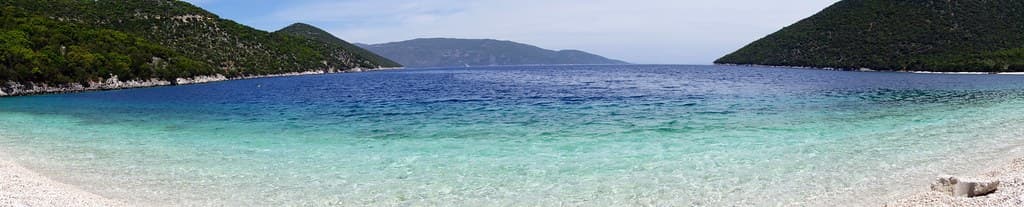
“Prepare for a breathtaking spectacle at Myrtos Beach, a world-renowned stretch of brilliant white pebbles carved into a perfect crescent. Flanked by towering limestone cliffs, its electric blue and emerald waters create…”
Limited recent visitor reports — live OBI telemetry is your best guide for current conditions.
Myrtos Beach isn't just a beach; it's a geological masterpiece, consistently ranked among the world's most stunning coastlines. Located on the northwestern coast of Kefalonia, its distinctive white pebbles, formed from crushed marble, create an almost blindingly bright shoreline that plunges into an astonishing spectrum of turquoise and deep sapphire waters. The sheer scale of the surrounding cliffs, draped in verdant Mediterranean flora, adds a dramatic, almost theatrical backdrop to this natural amphitheater.
The drive down the winding road to Myrtos offers panoramic vistas that demand a camera, revealing the beach's perfect arc from above. Once on the sand, the pebbles are smooth underfoot, and the water's clarity is exceptional, inviting long, refreshing swims. While the beach is famous, its expansive nature means you can often find your own patch of tranquility, especially towards the ends of the crescent.
White pebbles, Ionian sun
Electric blue depths
Iconic crescent views
Prime Visitation
Best Weather
Where it is
Myrtos Beach
Argostoli, Kefalonia, Greece
38.267000°, 20.628000°
Weather
Loading…
Swell
—
Temp
Warm · Restorative
UV Index
Moderate
Wind
—
Tidal State
Last known
Max Sunlight
—
Ideal Shade
—
May - Sep (Peak)
Jan - Dec (Off-season)
Historical data suggests peak visibility and stable sea temperatures occur during the prime visitation window.
Select a category to load nearby places.
Unlock restaurants, luxury stays and curated maritime experiences within 2km
Myrtos Beach is stunning, but visitors should be aware of its water conditions. While the turquoise waters are inviting, the beach can experience strong currents and a sudden drop-off in depth, especially on windy days. It's crucial to exercise caution, particularly with children, and to observe any warning flags. Lifeguards are typically on duty during the main tourist season to ensure safety.
The best time to visit Myrtos Beach for ideal weather and breathtaking photography is during the shoulder seasons (May-June and September-October) or the peak summer months (July-August). During these periods, you'll experience warm, sunny weather and the iconic turquoise waters at their most vibrant. Early mornings or late afternoons offer softer light for photography and fewer crowds.
Myrtos Beach is located on the northwest coast of Kefalonia, about 30 km north of Argostoli. The most common way to reach it is by car or scooter, driving along the scenic coastal road. There's a well-maintained road leading down to the beach, where ample parking is available, usually free of charge. Public bus services to Myrtos are limited, so a private vehicle or taxi is recommended.
Myrtos Beach is primarily a natural, undeveloped beach, so direct food and lodging options are limited. There is usually a small canteen or snack bar operating during peak season, offering basic refreshments and light meals. For more substantial dining and accommodation, visitors typically stay in nearby villages like Divarata or Assos, or the larger towns of Argostoli or Sami.
Myrtos Beach is famous for its dramatic crescent shape, framed by towering white cliffs and lush greenery, contrasting beautifully with its brilliant white pebbles and dazzling turquoise waters. Its iconic beauty has earned it numerous awards and features in travel publications. The panoramic views from the road above the beach are particularly 'Instagrammable,' offering a stunning perspective of its natural grandeur.
Photos