
Counting the waves…
Counting the waves…
A refined fusion of water purity, environmental stability, and communal vibrancy for Senjojiki Beach.
View MethodologyAnalyzed via live sensors and environmental data.
Wave height, wind, and atmospheric stability.
Live footfall and crowd balance metrics.
Community reviews and curated sentiment.
“You step onto what looks like a giant's stone floor—wave-cut shelves of black rock stretch toward the Sea of Japan in geometric ridges. Wind carries brine and kelp as you walk the terraced ledges, their surface dimpled…”
Limited recent visitor reports — live OBI telemetry is your best guide for current conditions.
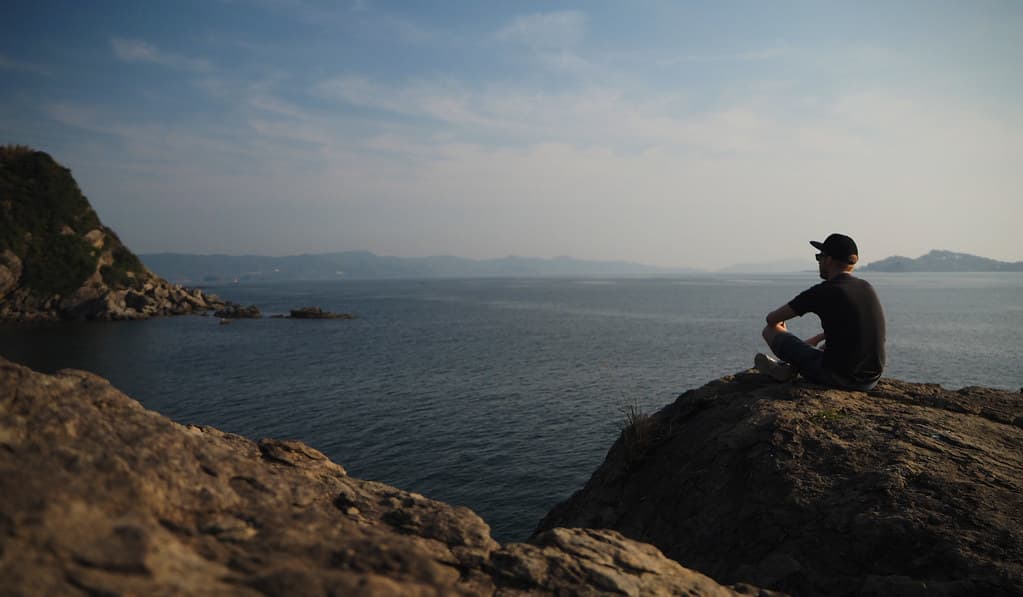
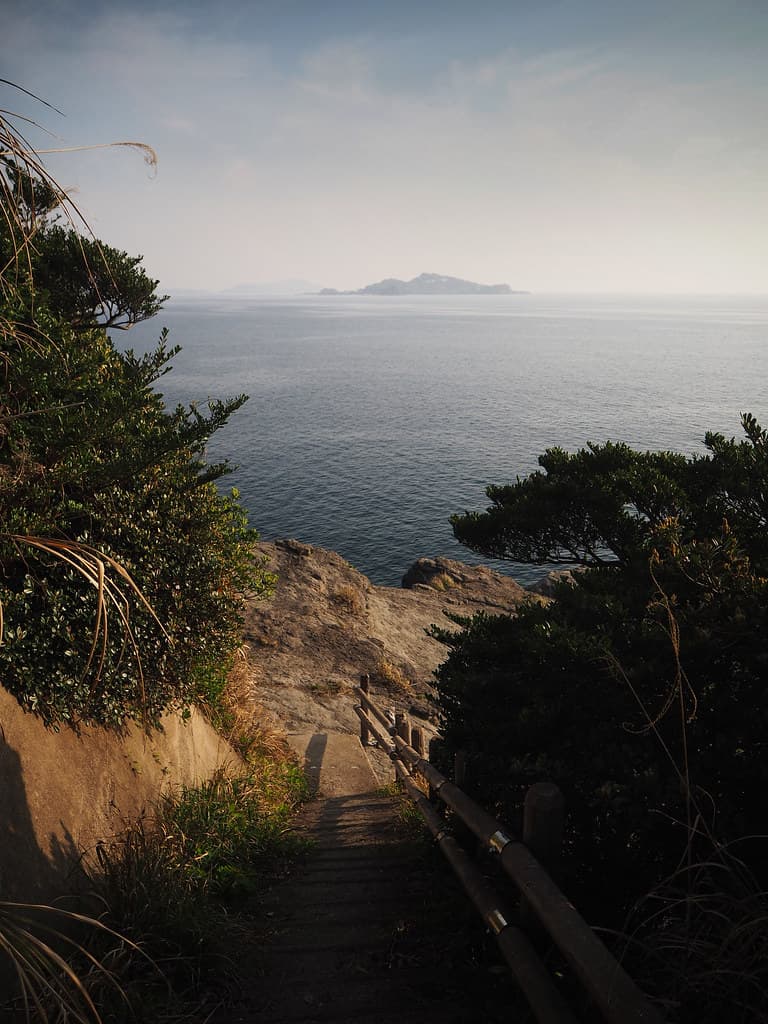
The name means "thousand tatami mats," and standing on this expanse of horizontal basalt, you understand why. Senjojiki isn't a beach in the conventional sense—no soft sand, no gentle slope into water. Instead, the coastline here splinters into wide, flat ledges of volcanic rock, each shelf scored with parallel grooves that channel seawater into shallow tidal pools. The platforms extend seaward in steps, and you pick your way across them carefully, feeling the rough grain beneath your shoes, hearing the hollow slap of waves against stone.
Winter storms along the Tsugaru coast sculpted this terrace over millennia, waves gnawing at softer layers while harder basalt resisted, creating a striated landscape that shifts from charcoal to rust depending on the light. Locals have walked these ledges for generations, harvesting seaweed, fishing from the edges, watching typhoons batter the rocks into new shapes. You'll see families crouched by tide pools, elderly fishermen casting lines, photographers tripod-deep in crevices waiting for the sun to drop.
Credit: FlickrGolden Hour Geometry
Ridged rock pools sunset reflections
Walk the volcanic shelf ledges
Fresh urchin and grilled squid
Where it is
Senjojiki Beach
Fukaura, Aomori, Japan
40.647500°, 139.934200°
Weather
Loading…
Swell
—
Temp
Warm · Restorative
UV Index
Moderate
Wind
—
Tidal State
Last known
Max Sunlight
—
Ideal Shade
—
May - Sep (Peak)
Jan - Dec (Off-season)
Historical data suggests peak visibility and stable sea temperatures occur during the prime visitation window.
Near Senjojiki Beach
Explore dining, stays, nightlife, and activities near Senjojiki Beach in Fukaura, Japan. Every listing below is a real place linked to this beach — open a card for reviews, maps, and booking options.
Food, cafés, and dining close to Senjojiki Beach — curated from places linked to this beach.
Stays and lodging options near Senjojiki Beach for your beach trip.
Activities, tours, and attractions near Senjojiki Beach.
Select a category to load nearby places.
Unlock restaurants, luxury stays and curated maritime experiences within 2km
Senjojiki Beach is primarily known for its dramatic rock terrace formations rather than swimming. The rocky coastline and often rough waves make it unsuitable for swimming. Visitors come here to walk along the flat sedimentary rock platforms during low tide and admire the unique geological formations. The area can be slippery when wet, so wear appropriate footwear with good grip. Always check tide schedules and weather conditions before exploring the rocks, and stay alert to changing sea conditions.
Senjojiki Beach can be visited year-round, but each season offers different experiences. Summer (June-August) provides the most comfortable weather for exploring the rock formations. However, sunset visits are spectacular throughout the year, as the area is renowned for stunning coastal sunsets. Winter visits offer dramatic seascapes but can be cold and windy. Time your visit during low tide to fully explore the flat rock terraces. Early morning or late afternoon light enhances photography opportunities of the layered rock formations.
Senjojiki Beach is located near Fukaura town in western Aomori Prefecture. By train, take the JR Gonō Line to Mutsu-Iwasaki Station, then it's about a 15-minute walk to the beach. If driving, the beach is accessible via Route 101 along the coast. Free parking is available near the site. The location is relatively remote, so having your own vehicle offers more flexibility. The scenic Gonō Line coastal railway route itself is a highlight, offering beautiful sea views during the journey.
Fukaura town, a short distance from Senjojiki Beach, offers various dining options featuring local seafood and regional cuisine. You'll find small restaurants, convenience stores, and local eateries in town. Accommodation options include minshuku (Japanese guesthouses), business hotels, and ryokan in Fukaura and nearby coastal towns. The area is known for fresh seafood, particularly squid and other Sea of Japan catches. For more extensive dining and lodging choices, larger towns along the coastal route provide additional options within reasonable driving distance.
Senjojiki, meaning 'thousand tatami mats,' features extensive flat sedimentary rock platforms formed over millions of years by wave erosion. The horizontal layers of rock create a distinctive terrace-like appearance stretching along the coastline. These stratified formations reveal geological history and create dramatic patterns, especially visible at low tide. The contrast between the flat, walkable rock surface and the crashing waves of the Sea of Japan creates a striking landscape. This geological phenomenon is relatively rare and makes Senjojiki a designated scenic spot in Aomori.
Photos