
Counting the waves…
Counting the waves…
A refined fusion of water purity, environmental stability, and communal vibrancy for Frisco Beach.
View MethodologyAnalyzed via live sensors and environmental data.
Wave height, wind, and atmospheric stability.
Live footfall and crowd balance metrics.
Community reviews and curated sentiment.
“You'll smell the salt on the wind before you see the ocean, driving past scrub pines and weathered beach cottages toward Frisco's unguarded strand. The sand here feels coarser underfoot, darker with crushed shell, while…”
Limited recent visitor reports — live OBI telemetry is your best guide for current conditions.
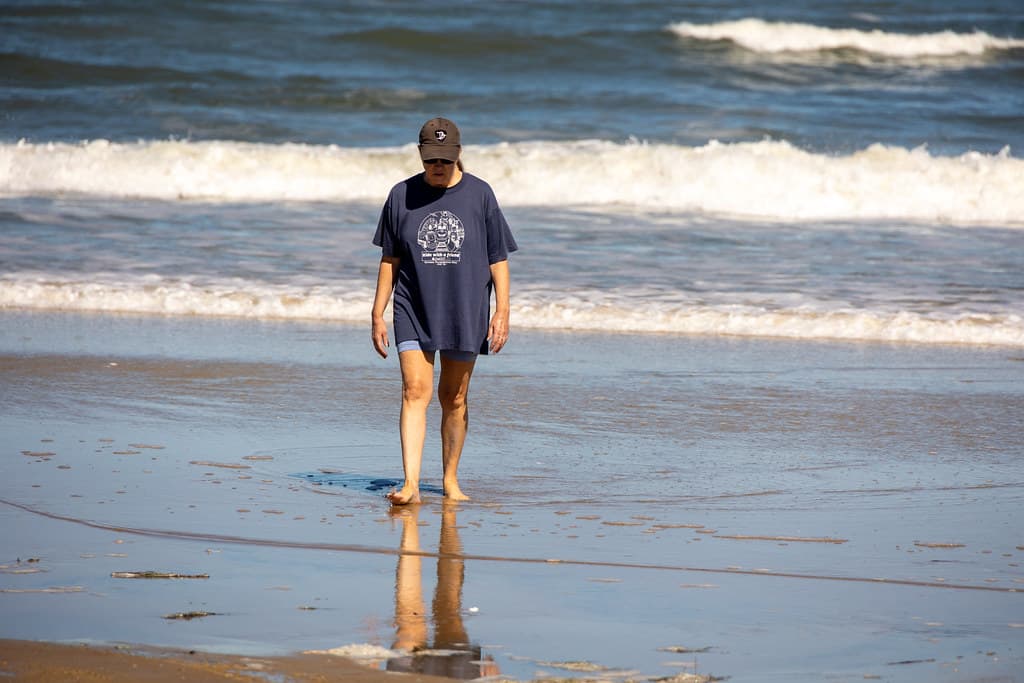
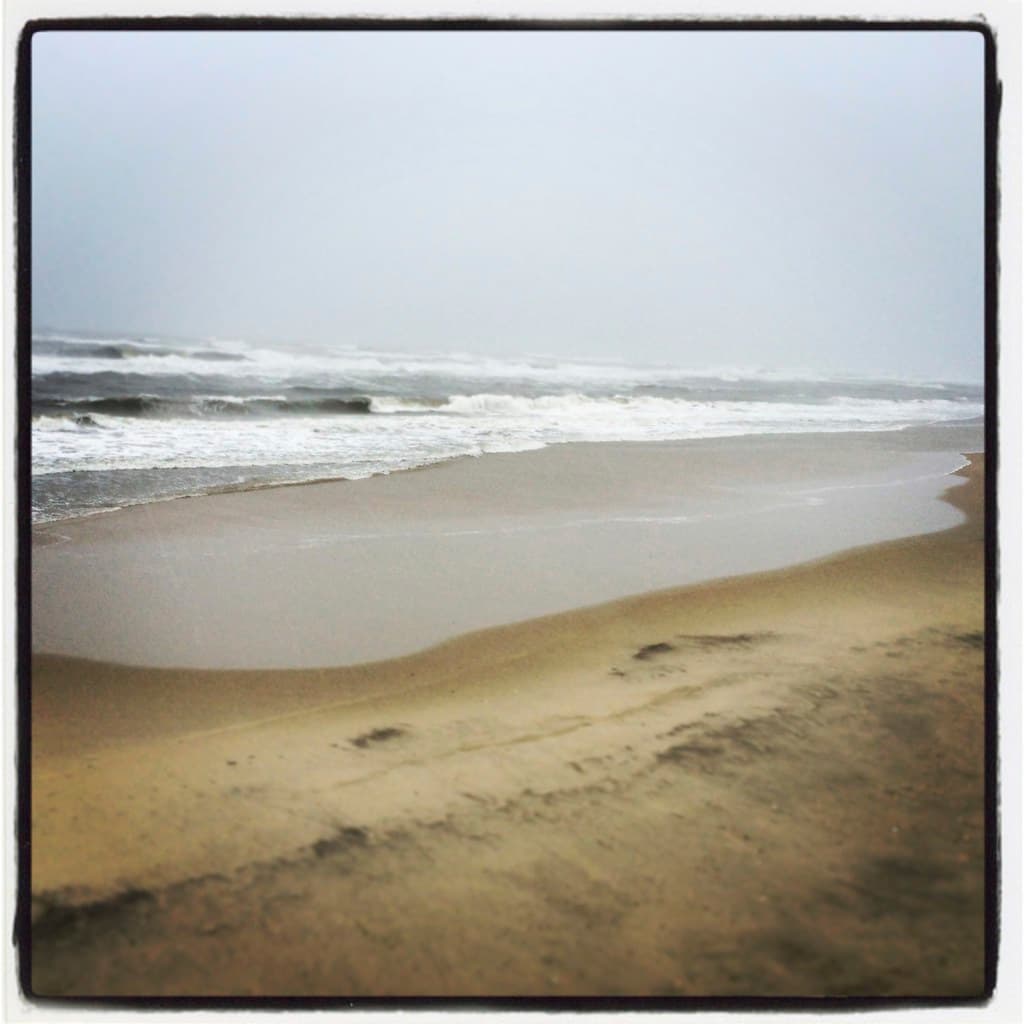
Frisco Beach sprawls along a seven-mile stretch of Cape Hatteras National Seashore where the Outer Banks narrows to a ribbon of sand barely wider than the highway. You park in sandy lots beside weathered split-rail fences, then walk over low dunes threaded with sea oats that hiss in the perpetual wind. The beach itself stretches wider than you expect, a broad apron of tan sand that darkens near the waterline, scattered with whelk shells, driftwood silvered by sun and salt, and the occasional rust-stained timber from some forgotten wreck.
The water here churns with the collision of currents—the warm Gulf Stream brushing against cold Labrador flows—creating conditions that draw serious surfers and shore fishermen who plant rods in PVC holders and wait for drum and bluefish. In summer the ocean warms enough for swimming, though the undertow commands respect. Autumn brings the clearest light, when nor'easters sculpt the dunes and the beach empties to just you, the piping plovers, and the lighthouse visible to the north.
Credit: FlickrCatch Hatteras Swells
Credit: FlickrHunt Shipwreck Traces
Hollow sandbars fire year-round
Timbers surface after storms
Miles of uncrowded sand
Where it is
Frisco Beach
Frisco, North Carolina, USA
35.235500°, -75.628000°
Weather
Loading…
Swell
—
Temp
Warm · Restorative
UV Index
Moderate
Wind
—
Tidal State
Last known
Max Sunlight
—
Ideal Shade
—
May - Sep (Peak)
Jan - Dec (Off-season)
Historical data suggests peak visibility and stable sea temperatures occur during the prime visitation window.
Select a category to load nearby places.
Unlock restaurants, luxury stays and curated maritime experiences within 2km
Frisco Beach is generally safe for swimming, though conditions vary by season and weather. The Atlantic Ocean here can have strong currents and occasional rip tides, so always check beach flags and advisories before entering the water. Lifeguards are not consistently present at all access points, making it primarily an unguarded beach. Swim near other beachgoers, avoid swimming alone, and be cautious during rough surf or after storms. The gradually sloping shoreline makes it relatively family-friendly during calm conditions, but ocean awareness is essential year-round.
Frisco Beach offers year-round appeal depending on your interests. Summer (June-August) brings warm water temperatures and peak beach weather, but also larger crowds. Spring and fall offer mild temperatures, fewer visitors, and excellent conditions for fishing and water sports. Fall is particularly popular for surfing due to consistent swells. Winter attracts beachcombers and those seeking solitude, though water is cold and weather unpredictable. For the best combination of pleasant weather and manageable crowds, late May, September, and October are ideal times to visit.
Frisco Beach is located along Highway 12 on Hatteras Island in the Outer Banks. Multiple public beach access points with parking are available along Billy Mitchell Road and other side streets off Highway 12 in Frisco village. Most access points offer free parking in sandy lots that can fill quickly during summer. Four-wheel-drive vehicles can access designated off-road beach areas with proper permits from the National Park Service. Frisco is about 50 miles south of Nags Head; you'll need to drive as there's no public transportation to this area.
Frisco offers several dining options including seafood restaurants, casual cafes, and a few markets for supplies, though choices are more limited than in larger Outer Banks towns. Nearby Buxton (5 miles north) and Hatteras Village (8 miles south) provide additional restaurants. Accommodations include vacation rental homes, small motels, and the Frisco Campground operated by the National Park Service. Many visitors stay in rental properties within walking or short driving distance of beach access points. Stock up on groceries before arrival, as shopping options are basic in this quiet village.
Frisco Beach, particularly the area near the former Frisco Pier site, is renowned as one of the East Coast's premier windsurfing and kiteboarding destinations. The location benefits from consistent winds, shallow sound-side waters on the Pamlantco Sound side, and wave action on the ocean side, providing conditions for all skill levels. The Canadian Hole area just north of Frisco is especially famous among wind sports enthusiasts. Spring through fall offers the most reliable winds. Local shops provide equipment rentals and lessons for those wanting to experience these popular water sports.
Photos