
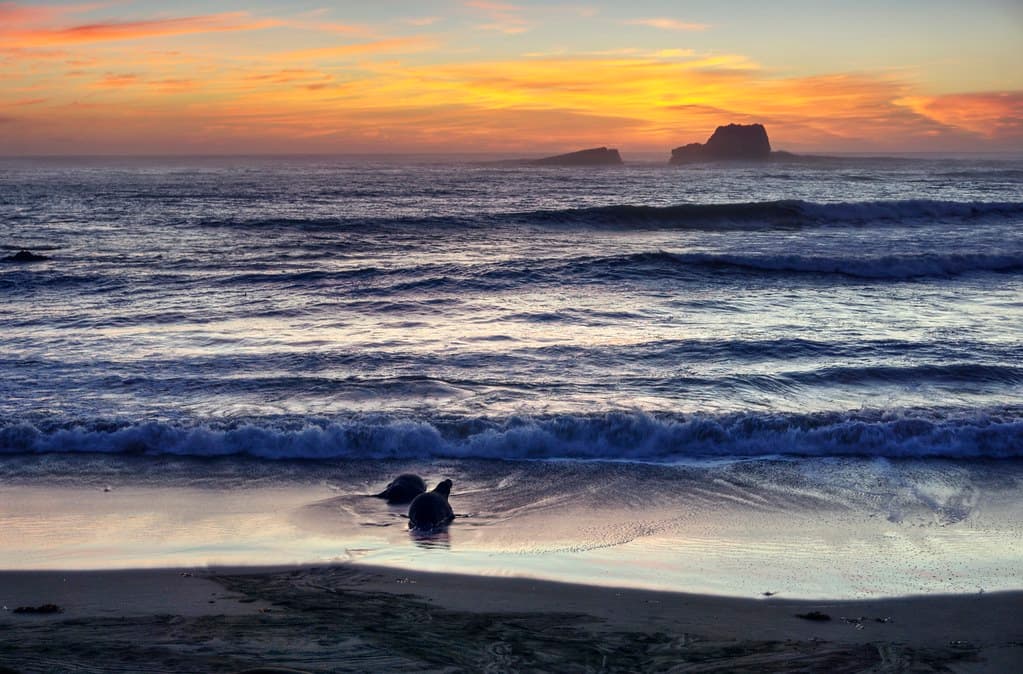
Counting the waves…
Counting the waves…
A refined fusion of water purity, environmental stability, and communal vibrancy for Back Bay Beach.
View MethodologyAnalyzed via live sensors and environmental data.
Wave height, wind, and atmospheric stability.
Live footfall and crowd balance metrics.
Community reviews and curated sentiment.
“You'll hear osprey calls before you spot the ocean. Back Bay Beach stretches along a slender barrier island where the Atlantic crashes against undeveloped shoreline, separated from the mainland by shallow wetlands…”
Limited recent visitor reports — live OBI telemetry is your best guide for current conditions.
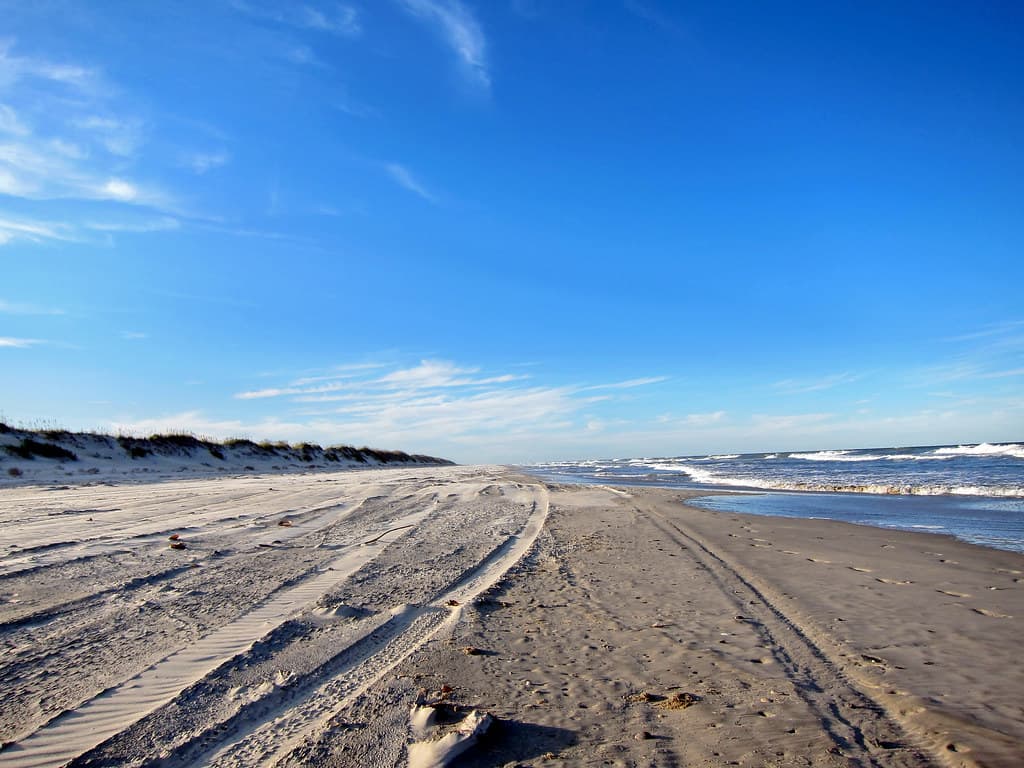
Back Bay Beach occupies the southernmost reach of Virginia Beach, where the resort strip's high-rises give way to a protected wilderness corridor. You'll cross a low bridge over Back Bay itself—a 7,000-acre estuary where snow geese winter by the thousands—before reaching the narrow barrier island that holds the beach. The dunes rise tall and wild here, anchored by sea oats that whisper in the constant wind, and development stops abruptly at the refuge boundary.
The beach stretches wide and flat at low tide, revealing sandbars where brown pelicans dive for menhaden. Walking south, you'll pass the occasional surf fisherman casting into the break, rod buried in a PVC holder, cooler at the ready. The water runs cooler than the resort beaches to the north, fed by currents that also deliver better waves and fewer swimmers. Shorebirds work the wrack line in tireless pursuit of coquina clams.
Snow geese peak November–March
Boardwalk winds through maritime forest
Cleaner breaks than resort beaches
Where it is
Back Bay Beach
Virginia Beach, Virginia, USA
36.679600°, -75.901800°
Weather
Loading…
Swell
—
Temp
Warm · Restorative
UV Index
Moderate
Wind
—
Tidal State
Last known
Max Sunlight
—
Ideal Shade
—
May - Sep (Peak)
Jan - Dec (Off-season)
Historical data suggests peak visibility and stable sea temperatures occur during the prime visitation window.
Select a category to load nearby places.
Unlock restaurants, luxury stays and curated maritime experiences within 2km
Back Bay Beach is part of Back Bay National Wildlife Refuge and has no lifeguards on duty, so swimming is at your own risk. The beach experiences typical Atlantic Ocean conditions with waves and currents that can vary by season. Summer months generally offer calmer waters. Always check weather and surf conditions before entering the water. The beach is remote with limited facilities, so bring safety equipment and let someone know your plans. Cell phone service can be spotty in this protected area.
Back Bay Beach offers year-round appeal depending on your interests. Summer (June-August) provides warm weather for swimming and sunbathing. Spring and fall are ideal for wildlife viewing, particularly during migratory bird seasons when thousands of waterfowl pass through the refuge. Winter offers solitude and excellent birdwatching opportunities with fewer crowds. Weather is generally mild, though hurricane season (June-November) can bring storms. Early morning visits any season provide the best wildlife sightings and peaceful beach experiences before day-trippers arrive.
Back Bay Beach is accessed through Back Bay National Wildlife Refuge, located about 15 miles south of downtown Virginia Beach. Drive south on Sandbridge Road, which becomes the main entrance road. There's a parking area at the refuge entrance with a $10 vehicle fee (or federal pass). From the parking lot, it's approximately 1.5 miles to the beach via walking or biking trails. No vehicles are allowed on the beach. Arrive early during peak season as parking is limited and the lot can fill quickly on weekends.
Back Bay Beach has no facilities, restaurants, or shops due to its location within a protected wildlife refuge. Bring all food, water, and supplies you'll need. The nearest amenities are in Sandbridge, about 4 miles north, which has restaurants, convenience stores, and vacation rentals. Virginia Beach's main resort area, 15 miles north, offers full services including hotels, restaurants, and shops. The refuge has restrooms at the visitor contact station. Plan ahead and pack out all trash to preserve this pristine environment.
Back Bay Beach and the surrounding refuge are renowned for wildlife viewing, particularly birds. The area hosts over 300 bird species, including migratory waterfowl like snow geese, tundra swans, and various duck species in fall and winter. You may spot loggerhead sea turtles nesting in summer, bottlenose dolphins offshore, and river otters. The dunes and marshes shelter deer, red foxes, and numerous shorebirds. Bring binoculars and respect posted areas closed for wildlife protection, especially during nesting seasons.