
Counting the waves…
Counting the waves…
A refined fusion of water purity, environmental stability, and communal vibrancy for Charquitos Beach.
View MethodologyAnalyzed via live sensors and environmental data.
Wave height, wind, and atmospheric stability.
Live footfall and crowd balance metrics.
Community reviews and curated sentiment.
“Tucked away on the quieter southern edge of San Andrés, Charquitos Beach is a secret worth seeking. This natural, reef-protected lagoon offers a tranquil escape from the island's busier spots. Its shallow, clear waters…”
Limited recent visitor reports — live OBI telemetry is your best guide for current conditions.
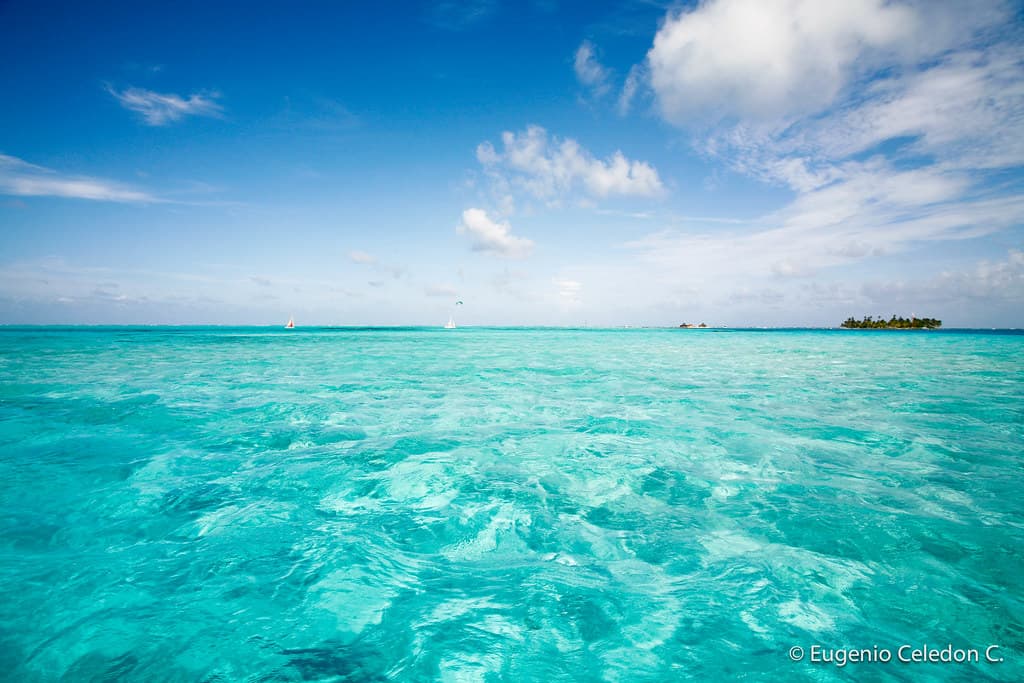
Charquitos Beach, whose name charmingly translates to 'little puddles,' is a testament to San Andrés' diverse coastal beauty. Located on the island's southern stretch, this hidden gem is a natural lagoon, expertly cradled by a protective reef that calms the Caribbean's usual undulations. The result is a series of interconnected, shallow pools, ideal for those seeking a peaceful and intimate encounter with the sea.
The water here is exceptionally clear, allowing sunlight to penetrate to the sandy bottom, illuminating small fish and delicate coral formations. It's an excellent spot for beginner snorkelers or children, who can safely explore the underwater world without the worry of strong currents. The feeling is one of stepping into a natural aquarium, where every ripple reveals a new detail.
Discover reef life
Relax in shallow pools
Quiet beach time
Prime Visitation
Best Weather|Less Crowds
Where it is
Charquitos Beach
San Luis, San Andrés and Providencia, Colombia
12.495200°, -81.734300°
Weather
Loading…
Swell
—
Temp
Warm · Restorative
UV Index
Moderate
Wind
—
Tidal State
Last known
Max Sunlight
—
Ideal Shade
—
Jan - Dec (Peak)
May - Nov (Off-season)
Best Weather|Less Crowds
Select a category to load nearby places.
Unlock restaurants, luxury stays and curated maritime experiences within 2km
Charquitos Beach is exceptionally safe for swimming, particularly for children, due to its natural reef-protected lagoon. The shallow, calm waters create a natural swimming pool, shielding visitors from stronger currents or waves found in open ocean areas. This makes it an ideal spot for families to relax and for beginners to enjoy the water. Always be mindful of the reef and any marine life.
The best time to visit Charquitos Beach for optimal conditions is during periods of good weather and when there are fewer crowds. While the reef protection makes it enjoyable in various conditions, sunny days enhance the visibility for snorkeling and highlight the scenic beauty. Visiting during the island's shoulder seasons or earlier in the morning can provide a more tranquil experience, allowing you to fully appreciate its hidden charm.
Charquitos Beach is located on the southern coast of San Andrés Island, within the San Luis area. You can reach it by taxi, local bus, or by renting a scooter or golf cart. While it's considered a 'hidden' gem, it's generally accessible via the island's main coastal road. Keep an eye out for local signs or ask for directions, as its more secluded nature means it might not be as prominently marked as urban beaches.
Charquitos Beach itself is more natural and less developed, so direct food and lodging options on the immediate beachfront are limited. However, being in the San Luis area, you'll find local eateries and guesthouses within a short distance. It's advisable to bring snacks and drinks for your time on the beach. For more substantial meals or accommodation, the surrounding San Luis area offers charming local establishments.
Charquitos Beach is unique for its natural reef-protected swimming area, creating a serene lagoon perfect for both relaxation and snorkeling. The calm, clear waters allow for excellent visibility, making it an ideal spot to observe marine life in a safe environment. Its 'hidden' and scenic qualities offer a more secluded and authentic island experience, distinct from the busier tourist spots, making it a true gem for those seeking tranquility and underwater exploration.
Photos